Chiang Rai Day Trip from Chiang Mai: My Honest Review
Jump to Is a Chiang Rai Day Trip from Chiang Mai Worth it? | Places I Visited in Chiang Rai | Practical Tips | How to Book | FAQs

On day three of my four days in Chiang Mai, I woke up before sunrise and joined a group tour headed to Chiang Rai. I’d booked it the day before through the staff at my hostel — one of the better decisions I made on that trip. We left while the city was still dark and quiet, and we didn’t get back until well after dark that night.
It was the longest single day of my Thailand trip. It was also one of the most memorable.
Chiang Rai is a province in the far north of Thailand, bordering both Myanmar and Laos. A day trip from Chiang Mai covers a lot of ground — literally and figuratively. If you’re trying to figure out whether it’s worth giving up a full day of your Chiang Mai itinerary for this, here’s what the day actually looked like.
🤔 Is a Chiang Rai Day Trip from Chiang Mai Worth It?
Yes it is. But it’s a very long day. We left before sunrise and got back late at night. If you’re someone who needs a slow morning or wants time to rest mid-trip, factor that in.
But if you can handle a full day on the road, the stops on this trip are unlike anything else in Northern Thailand. The White Temple alone is worth the trip. Add the Golden Triangle, a brief crossing into Laos, and a visit to a Kayan village, and you have a day that covers more cultural and geographic ground than most people manage in a week of travel.
I’d recommend it for anyone who has at least three days in Chiang Mai and wants to see something beyond the city itself.
⏳ Planning a trip to Thailand? Use my favorite resources.
Here are the booking sites I personally use:
🛌 Hotels & Accommodation: Agoda & Booking.com
🏞️ Tours & Activities: I usually compare tours across GetYourGuide, Viator, and Klook before booking
🚂 Trains & Buses: I check 12Go & Trip.com
🗺️ Places I Visited in Chiang Rai
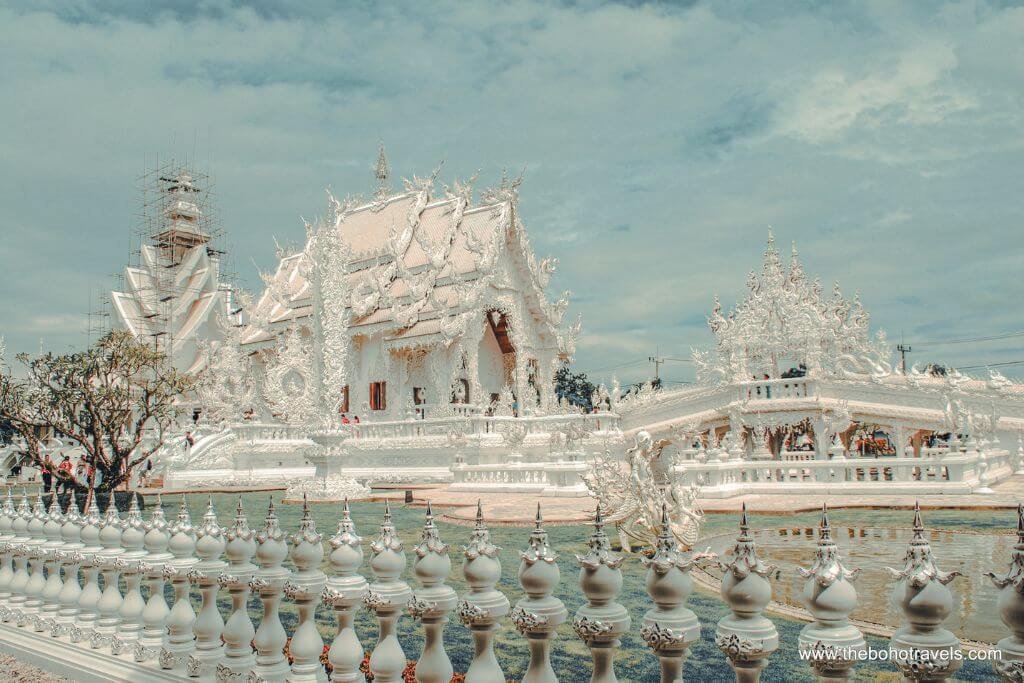
Wat Rong Khun (The White Temple)
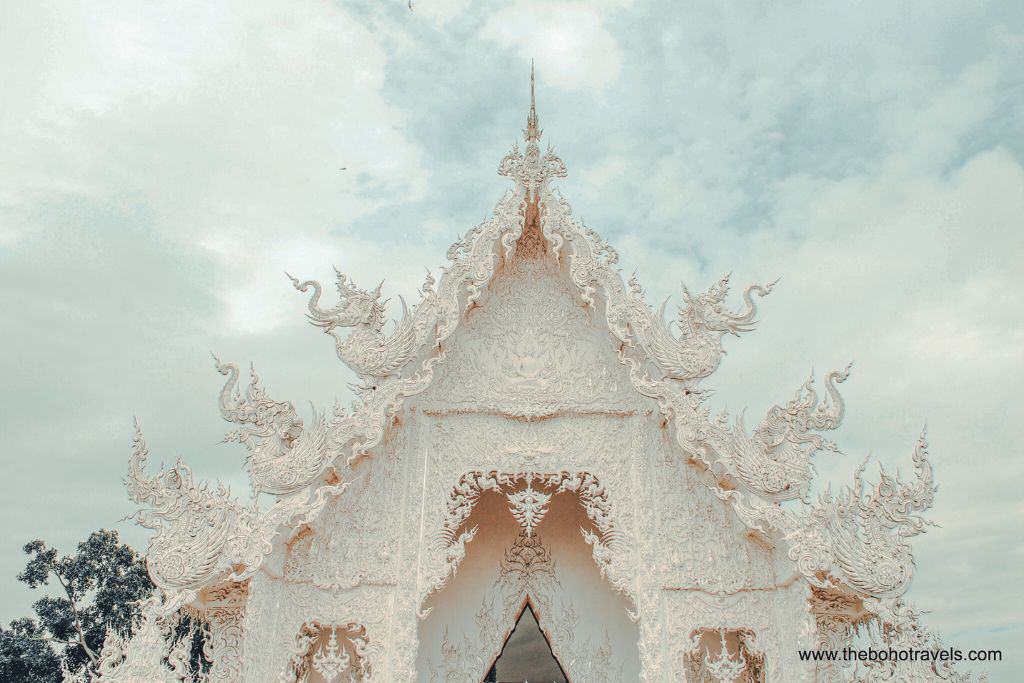
Nothing quite prepares you for the White Temple. Most temples in Thailand follow a visual language you start to recognize after a few visits — the tiered rooflines, the gold, the naga serpents at the stairways. Wat Rong Khun follows none of it.
The entire structure is white and encrusted with mirror glass, catching the light differently depending on where you’re standing.
Before you even reach the entrance, you’ll notice creatures hanging from the trees — a mix of animals, monsters, and human figures that our guide described as the artist’s representation of the different entities that exist in our world. I found them slightly unsettling, if I’m honest. They also reminded me of something I’ve always believed — that we are not alone in this world.
The temple itself is the artist’s representation of our journey through life. The hundreds of hands reaching up from below the bridge represent unrestrained desires and temptation. Crossing the bridge symbolizes letting go of those desires. And when you reach the other side, you arrive at the gate of heaven.
I didn’t fully understand what I was looking at until it was explained to me. Go with a guide if you can.
The Golden Triangle
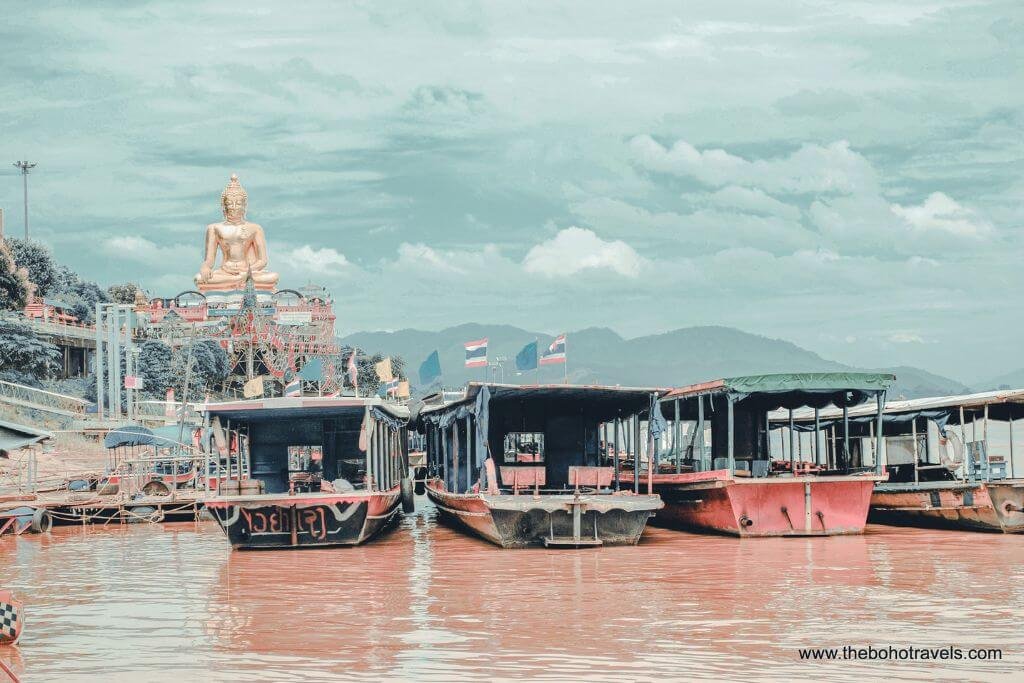
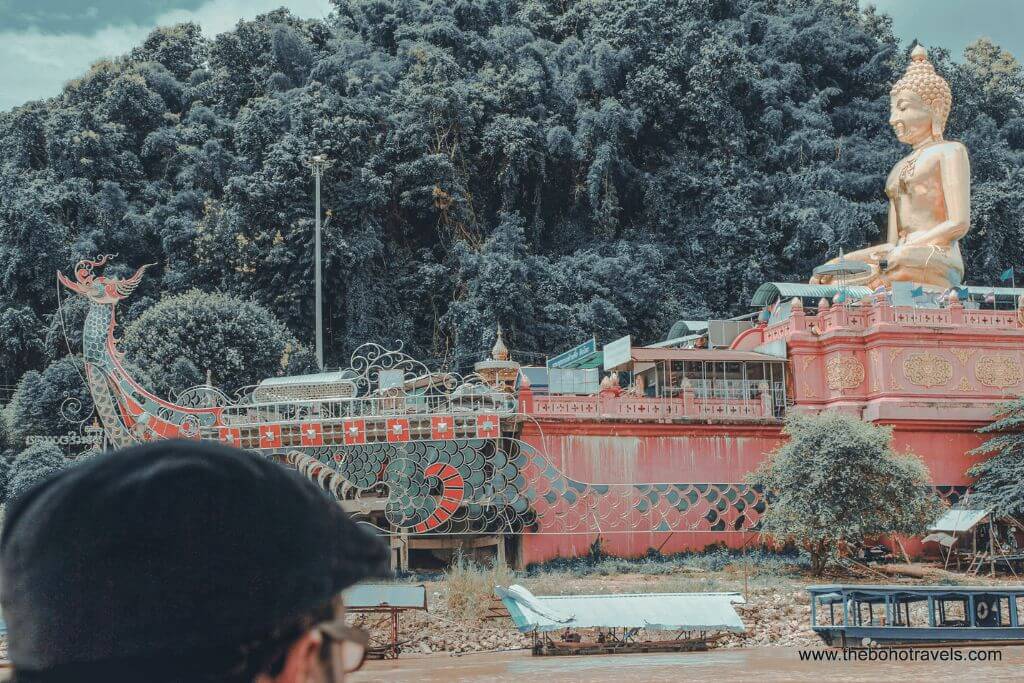
The Golden Triangle is the point where Thailand, Laos, and Myanmar meet at the Mekong River. For a long time it was one of the world’s largest opium-producing regions — a history that’s acknowledged openly at the area’s museum and viewpoints.
Standing at the confluence, what struck me most was how quiet it was. Three countries, one river. There’s a viewpoint where you can see all three borders at once. We spent some time there just looking.
Don Sao Island, Laos
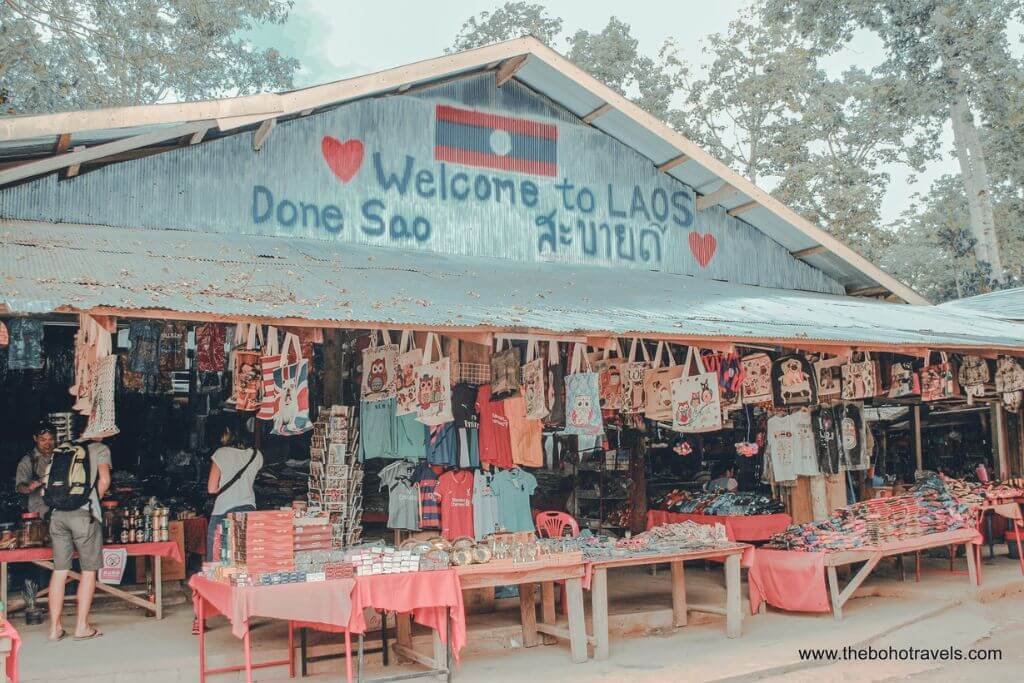
From the Golden Triangle, we took a short boat ride across the Mekong to Don Sao Island — a sandbar that’s technically Laotian territory. At Don Sao Island, vendors sell Lao goods and souvenirs. It was fascinating to experience stepping into another country just for a short while, one of the details that makes the day feel like more than a standard tour itinerary.
A Kayan Village Near the Golden Triangle
“Why Karen Tribe?” I asked our tour guide.
He explained that “Karen” was a Westernized version of the name — one that stuck because visitors couldn’t get the correct pronunciation. The proper name is Karieng.
Our guide also told us that the Karieng tribe was believed to have originally come from Mongolia, and that over time, because of the difficult conditions in their homeland, they migrated to Myanmar and Thailand.
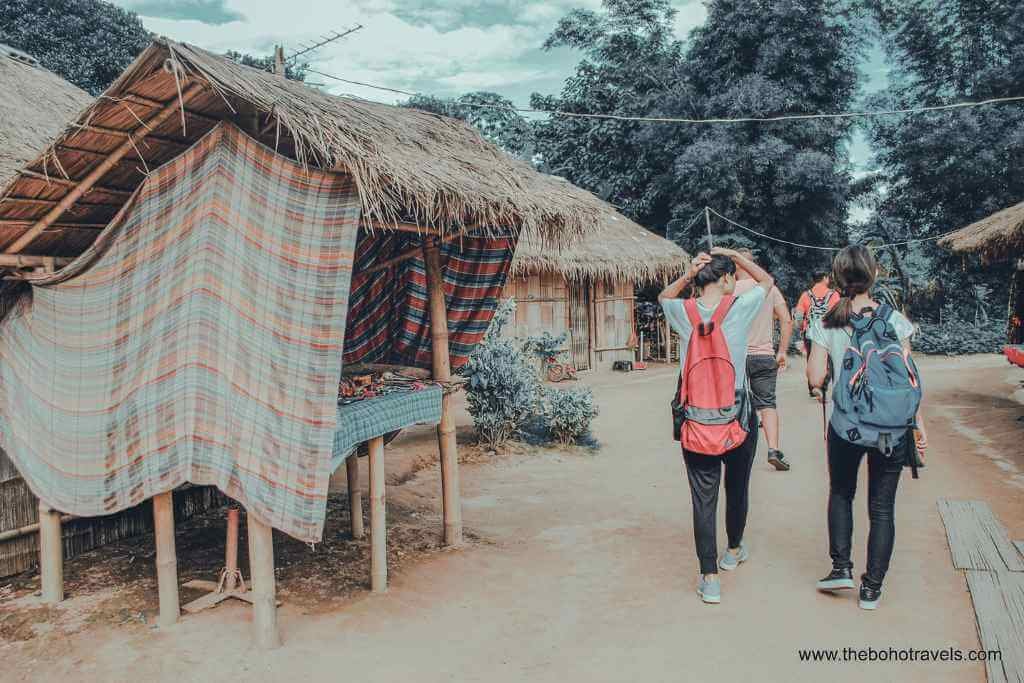
The bronze rings you see around the women’s necks weigh about ten kilos. They don’t actually elongate the neck—they pull the shoulders down, creating that appearance. Women usually start wearing them at age five and rarely take them out. During my visit, I saw a child who couldn’t have been older than three already wearing hers.
There are different accounts of why the tradition started. One says the men in the community introduced the rings to protect the women from animal attacks, since predators typically go for the neck. Another says it was meant to make the women less attractive to men outside the tribe. Some people consider the practice a form of abuse — especially given that the Karieng community isn’t recognized by the Thai government, yet is effectively used as a tourist attraction.
I understand that view. But the people I met during my visit didn’t look like they were suffering. Not all of them spoke English, but for those who did — and even those who didn’t — short conversations happened naturally, and they gave me their warmest smiles. They offered their handwoven products for sale, which might put some visitors off, but I didn’t see it that way. That’s their main source of income. Given the experience they gave me and the privilege of meeting them, buying a trinket or two felt like the least I could do.
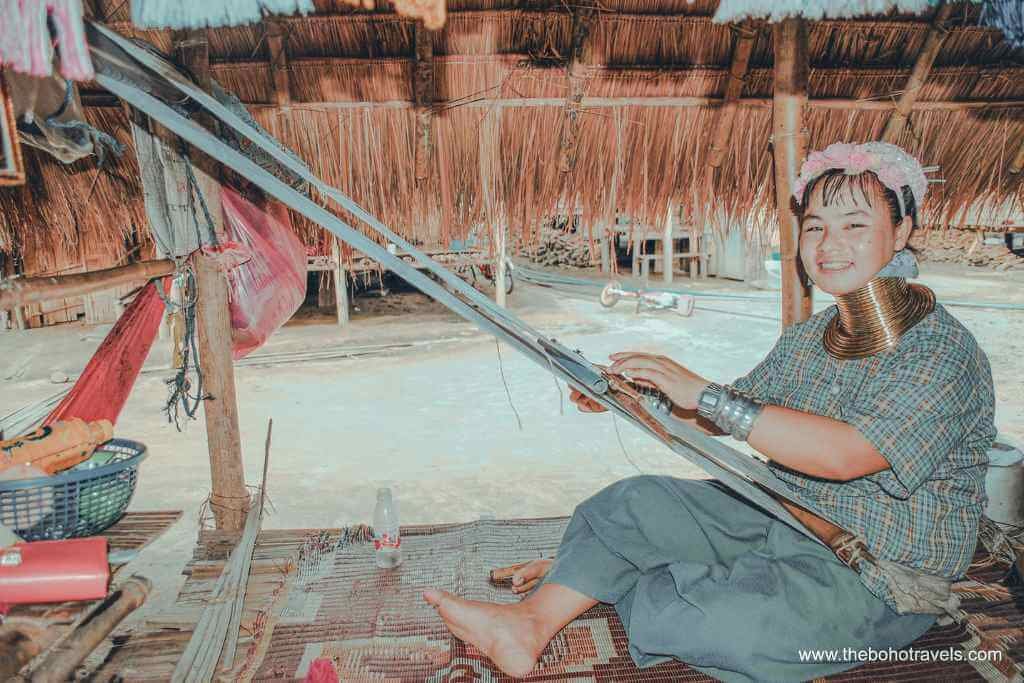
I do hope that at some point they’ll find the freedom to define themselves on their own terms. That kind of change takes time — and a shift in context much bigger than a tourist visit. But who am I to judge? For now, I’ll take comfort in the fact that they still find reasons to smile.
🛏️ Where to Stay in Chiang Mai, Thailand
Still don’t have a place for your visit to Chiang Mai? Here are the highly-rated accommodations in or near the Old City:
- Hostel One Art & Gallery (Budget Option)
- Phra Singh Village (Mid-range Option)
- The Inside House (Luxury Option)
You can also check my full guide: Where to Stay in Chiang Mai, Thailand, for First-Time Visitors
📝 Practical Tips for Your Chiang Rai Day Trip
What to bring
- Cash for Don Sao Island, the Kayan village, and any small purchases along the way. Card acceptance is limited on this route.
- A light jacket. Early mornings in Northern Thailand can be cooler than you expect, especially if you’re visiting outside of the hot season.
- Comfortable walking shoes. You’ll be on your feet for a good portion of the day.
- A small bag or daypack. You won’t need much, but having your hands free helps.
What to wear
- Dress modestly for temple visits, with shoulders and knees covered. The White Temple has dress code enforcement at the entrance. If you’re not sure, bring a scarf or a light layer you can tie around your waist.
What to expect on the road
- The drive between stops is long. Bring something to do, or just watch Northern Thailand go by out the window — the landscape is worth paying attention to.
- Most group tours include a meal stop; check what’s covered when you book.
- Expect to leave very early and return late.
👉 How to Book a Chiang Rai Day Trip from Chiang Mai
I booked through the staff at my hostel, which took about five minutes and involved no research on my part. If you’re staying somewhere with helpful staff, that’s still a good option — they know the operators and can usually answer questions firsthand.
If you’re booking in advance or want to compare options, Viator and GetYourGuide both have Chiang Rai day trips from Chiang Mai. Look for tours that include the White Temple, Golden Triangle, and the Kayan Village as confirmed stops — if you’re interested in culture, those are the non-negotiables.
Private tours are also available if you’re traveling with a group or want more flexibility over timing and stops.
💭 FAQs: Chiang Rai Day Trip from Chiang Mai
How long is the drive from Chiang Mai to Chiang Rai?
About three hours each way, depending on traffic and route. Most group tours factor this into the day — you’ll spend a good portion of it in the van, which is part of why an early start is necessary.
Do I need a visa to visit Don Sao Island in Laos?
For the brief tourist stop at Don Sao Island, most visitors don’t need a full Laos visa — it’s a designated tourist zone. That said, entry requirements can change, so confirm with your tour operator before you go.
Can I do the Chiang Rai day trip independently without a tour?
Yes — you can take a bus from Chiang Mai’s Arcade Bus Terminal to Chiang Rai and arrange transport between stops yourself. It gives you more flexibility on timing but requires more planning. For a first visit, a group tour is the more practical option.
Is the White Temple worth visiting?
Yes. It’s one of the most visually distinctive temples in Southeast Asia and unlike anything else on the Northern Thailand circuit. Go with a guide who can explain the symbolism — it adds a lot to the experience.
What should I buy at Don Sao Island or the Kayan village?
Small handwoven items and local crafts are the most meaningful purchases at both stops. Buying something — even something small — is a way of participating in the local economy, which feels right given the nature of these visits.
💌 The Wrap-Up: Chiang Rai Day Trip from Chiang Mai
The Chiang Rai day trip was the longest day of my Thailand trip and one of the ones I’d most recommend. The White Temple alone justifies it. Everything else — the Golden Triangle, the brief crossing into Laos, the Kayan village — adds layers to a day that ends up being harder to summarize than most.
If you’re in Chiang Mai for three days or more, put this on your itinerary. Leave early, bring cash, dress for temples, and let the day be as long as it needs to be.
The Chiang Rai day trip is one of the best days I’ve had traveling across Southeast Asia — and I think it will be one of yours too.
💡 Still planning your Chiang Mai trip? My guides on Best Chiang Mai Tourist Spots and Best Things to Do in Chiang Mai can help you out.