Philippines Travel Guide: Everything You Need to Plan Your Trip
Jump to: Why visit the Philippines | Best time to visit | Where to go | Getting there | Getting around | How much it costs | What to know before you go | Itinerary ideas | Start planning

The Philippines is the kind of place that can make you want to settle here — or swear you’ll never come back. It is not for everyone. But for those who feel it, it will welcome you with open arms and embrace you as if you were its own.
📝 Quick Guide: Philippines
- Capital: Manila (Metro Manila)
- Currency: Philippine Peso (PHP)
- Official languages: Filipino (Tagalog) and English
- Time zone: Philippine Standard Time (PST), UTC+8
- Electricity: 220V / 60Hz — Type A and B plugs (US-style flat pins)
- Country code: +63
- Emergency number: 911 (national emergency hotline)
- Visa-free stay: Up to 30 days for many nationalities — always check immigration.gov.ph to confirm
- Best time to visit: December to March
- International airports: Manila (NAIA), Cebu (Mactan), Clark
I was born and raised in Quezon City, in Metro Manila, and have spent years traveling around the archipelago — from the beaches of Palawan and Boracay to the mountains of Kalinga and the Cordillera, from the heritage streets of Vigan to the islands of Bohol.
I run this blog because I genuinely believe the Philippines is one of the most beautiful and underrated destinations in the world, and I want more people to see it the way I do.
This guide is for first-time foreign visitors trying to figure out if the Philippines is the right trip. It’s also for Filipinos who grew up abroad and are visiting the country for the first time, or returning after years away, and want to understand what it really has to offer beyond what you may have heard.
And it’s for those of you who grew up here but have been living elsewhere and want to come back — or bring someone you love back with you.
Whatever brought you here, I hope this guide helps you plan a trip that goes beyond the postcard version.
Why visit the Philippines?
People often compare the Philippines to Thailand, Vietnam, or Bali when planning a Southeast Asia trip. I’ve been to all of them, and I think they offer genuinely different things — so the honest answer isn’t that one is better than the other, it’s that the Philippines is distinct in ways that aren’t always well communicated.
The most obvious draw is the coastline. We have some of the most stunning beaches in the world — and while Boracay, Palawan, and Siargao get most of the international attention, they are just the beginning.
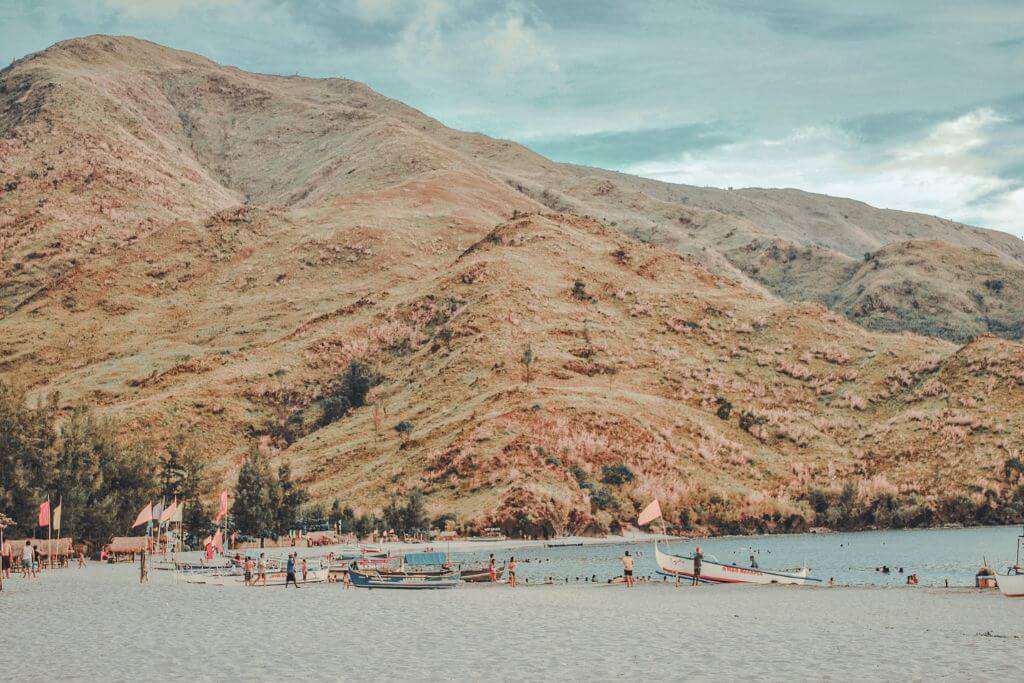
There are destinations that rarely make it onto the international radar: Camiguin, a small volcanic island in Mindanao with waterfalls, hot springs, and sunken cemetery; or the coves of Zambales in Luzon, which range from accessible public beaches to remote campsites you can only reach by boat — the kind of places where you can still have a stretch of sand mostly to yourself.
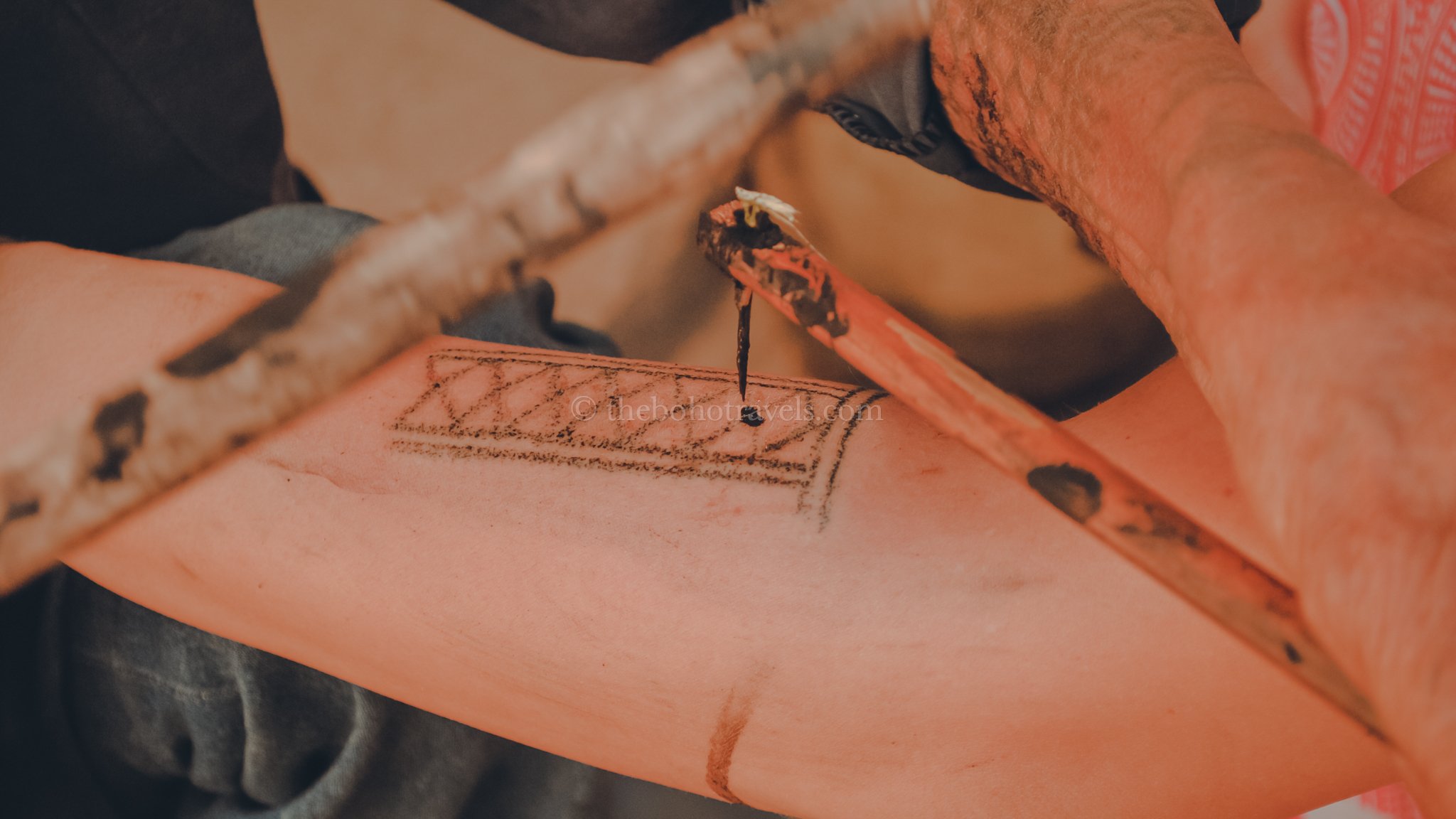
But what I think is most underestimated about the Philippines is the cultural depth. We have a very colorful indigenous culture — the Kalinga tattoo tradition, the T’boli dream weavers of South Cotabato, the Eskaya tribe in Bohol, and the Ifugao rice terraces that are among the oldest in the world. I started really traveling around the country specifically to discover this heritage, and years later, I’m still finding things that leave me in awe. Most travel content about the Philippines barely scratches this surface.
Then there’s the language. There are over 180 dialects spoken across the archipelago. The diversity within our country — between the highlands and the coast, between Luzon and Mindanao, between Christian and Muslim communities — is remarkable. Most people don’t know this going in, and it changes the trip.
We also have UNESCO World Heritage Sites: the Puerto Princesa Subterranean River in Palawan; the Baroque Churches of the Philippines, including Paoay Church in Ilocos Norte; the Historic City of Vigan; and the Banaue Rice Terraces. These are world-class cultural and natural landmarks that don’t always make it onto the standard tourist itinerary — but they should.
One more thing: most people in the Philippines, especially in tourist areas, speak at least basic English. This makes navigating the country considerably more accessible than some of our neighbors.
Who is the Philippines not for?
If what you want is a completely smooth, perfectly orchestrated trip where everything runs on schedule and nothing surprises you, the Philippines may test your patience. We are an archipelago of over 7,000 islands, and travel between them — by bangka, ferry, or domestic flight — takes planning and a degree of flexibility. Weather can change itineraries. Flights get delayed. Remote destinations are genuinely remote.
That’s also, to me, part of the charm. If you’ve been to the Philippines, you understand why people who go once tend to go back.
💡 Still weighing whether the Philippines belongs on your itinerary? I go deeper on that question in Is the Philippines Worth Visiting?
Best time to visit the Philippines
The short answer: December to March is the best time to visit for most people. Temperatures are cooler and more manageable, there’s less rainfall, and the weather is generally stable across most of the country. This is also festival season — some of the Philippines’ most spectacular celebrations happen during this window.
December to March — Peak Season
This is the sweet spot for first-time visitors. The northeast monsoon (amihan) brings dry, cooler weather to most of Luzon and the Visayas. Temperatures are still warm — typically 24–30°C — but significantly more comfortable than the summer months, especially for those not used to tropical heat and humidity.
Some of the biggest festivals in the Philippines also fall during this period:
January 9 — Feast of the Black Nazarene (Manila): Millions of devotees join the procession in Quiapo in one of the most intense and moving religious events in the country.
Third Sunday of January — Sinulog Festival (Cebu City): One to two million people celebrate the biggest festival in Cebu, honoring the Santo Niño. The Grand Street Parade features dancers in vivid costumes performing the Sinulog ritual to the beat of drums and native songs.

Third week of January — Ati-Atihan Festival (Kalibo, Aklan): One of the oldest and most spirited festivals in the Philippines, commemorating a historic peace pact between tribes and honoring the Santo Niño. Attendees paint their faces and wear costumes inspired by Ati traditional clothing.
February — Panagbenga Festival (Baguio City): A month-long celebration of Baguio’s flowers and the indigenous culture of the Cordilleras. The name comes from a Kankanaey word meaning ‘season of blooming.’ The Fluvial Parade features enormous floats decorated entirely in fresh flowers harvested from Baguio and the surrounding highlands.
April to June — Summer
Hot, humid, and school holiday season in the Philippines — which means local tourists flock to beach destinations and cooler mountain retreats. Palawan, Boracay, Siargao, La Union, and Zambales fill up fast. If you’re visiting during this window, book accommodation early and expect higher prices.
On the upside: it’s a great time to see the Philippines the way Filipinos actually enjoy it.
July to October — Typhoon Season
Typhoons typically hit the Philippines from July to October. This doesn’t mean the country shuts down — I’ve visited Palawan and Boracay in July and August and had beautiful weather throughout. But it does mean you need to stay on top of forecasts and be prepared to adjust your plans if a typhoon is approaching.
Flooding is a real concern in some parts of the country, particularly in low-lying urban areas. If you’re visiting during this window, travel insurance is not optional — it’s essential.
💡 Off-peak season means lower flight and accommodation prices. If you’re flexible with timing and willing to monitor the weather, you can get significantly better value during this period.
A couple of events worth targeting during the rainy season: the Kadayawan Festival in Davao City (August) and the Masskara Festival in Bacolod City (October) — both feature street parades and cultural performances.
November to December — Holiday Season
The Philippines takes Christmas seriously — decorations go up as early as September in some places, and the festive atmosphere builds steadily through the end of the year. This is a beautiful time to visit if you want to experience Filipino culture at its most celebratory. It’s also when Baguio’s cool weather is at its best, and when the Higantes Festival in Rizal (giant paper effigies) takes place.
💡 Weather varies by area more than most visitors expect. If you’re planning a multi-destination trip, check the seasonal patterns for each area rather than applying a single rule across the board.
Where to go in the Philippines
With over 7,000 islands, choosing where to go is the most common point of paralysis for first-time visitors. The country is broadly divided into three main island groups: Luzon (the largest, where Manila is), Visayas (the central islands), and Mindanao (the southernmost large island). Palawan sits separately to the west and is usually planned as its own trip.
Here’s an overview of the main destinations — enough to help you build a mental map and start making decisions.
Manila
Manila — or more accurately, Metro Manila — is where most international flights arrive, and for good reason: it’s the beating heart of the Philippines.
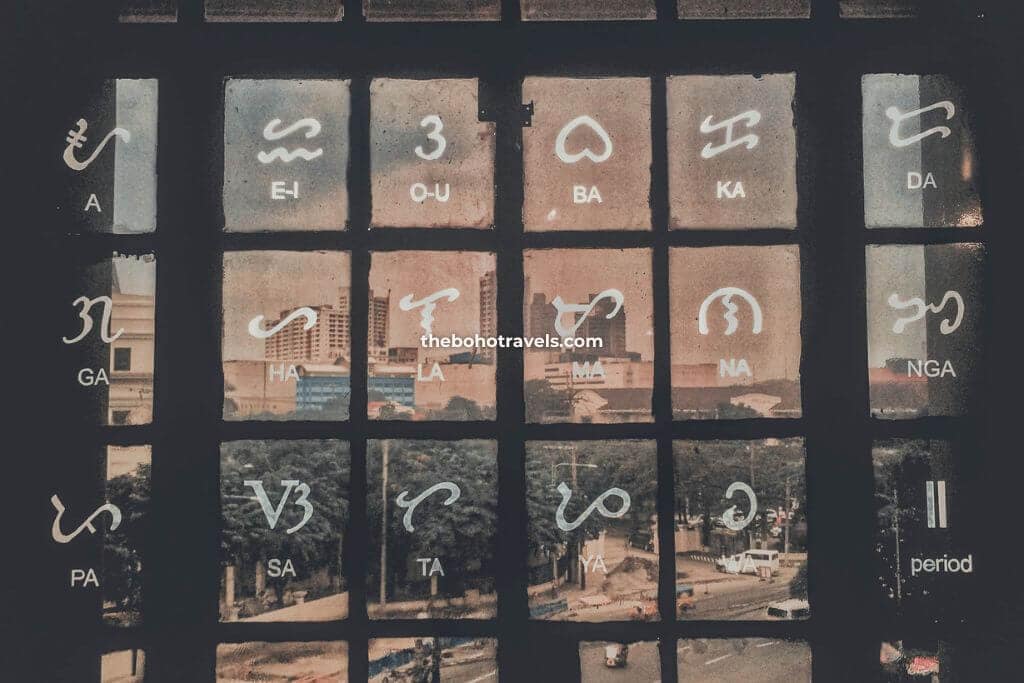
Despite being a city (and a chaotic, noisy one at that), Manila is an adventure in itself. It has history, food, art, and access to more beautiful places than anywhere else in the country. Intramuros, the walled city built during the Spanish colonial period, is worth at least half a day. Bonifacio Global City and Makati offer the modern, upscale side. And the food scene across the metro is extraordinary.
Don’t make the mistake of treating Manila as just a layover. Give it at least two days at the start of your trip to decompress from the flight, orient yourself, and let the city work on you.
💡 Batangas, about 2–3 hours south of Manila by road, is one of the easiest beach escapes from the capital. Anilao is the go-to for divers. Nasugbu and Matabungkay are good for a relaxed beach day. Laiya is a favorite for longer weekend getaways. All are manageable as a side trip from Manila without needing to add a destination to your itinerary.
Baguio
Baguio is for those who want to escape the heat — but I think it’s really for those who find romance in the fog, rainy days, a cup of coffee in the chill air, pine trees, art on every corner. It’s a vibe I haven’t found anywhere else in the country, even after years of traveling.

The city is compact and generally walkable, and the Cordillera culture that surrounds it — the Igorot traditions, the indigenous crafts, the festivals — adds a richness that goes well beyond what most visitors expect from a mountain escape. My complete Baguio travel guide covers everything you need to plan your trip.
Baguio is technically part of the Cordillera Administrative Region, so it serves as both a destination in its own right and the most accessible gateway into the wider mountain region. From Baguio, you can extend your trip into Sagada, Banaue, and the Ifugao rice terraces — or further north into Kalinga.
Kalinga & the Cordillera
This is where the Philippines gets genuinely off-the-beaten-path. The Cordillera region in the northern mountains of Luzon is home to indigenous communities with traditions that have survived for centuries — including the Kalinga people, who are known worldwide for their tattooing practice.
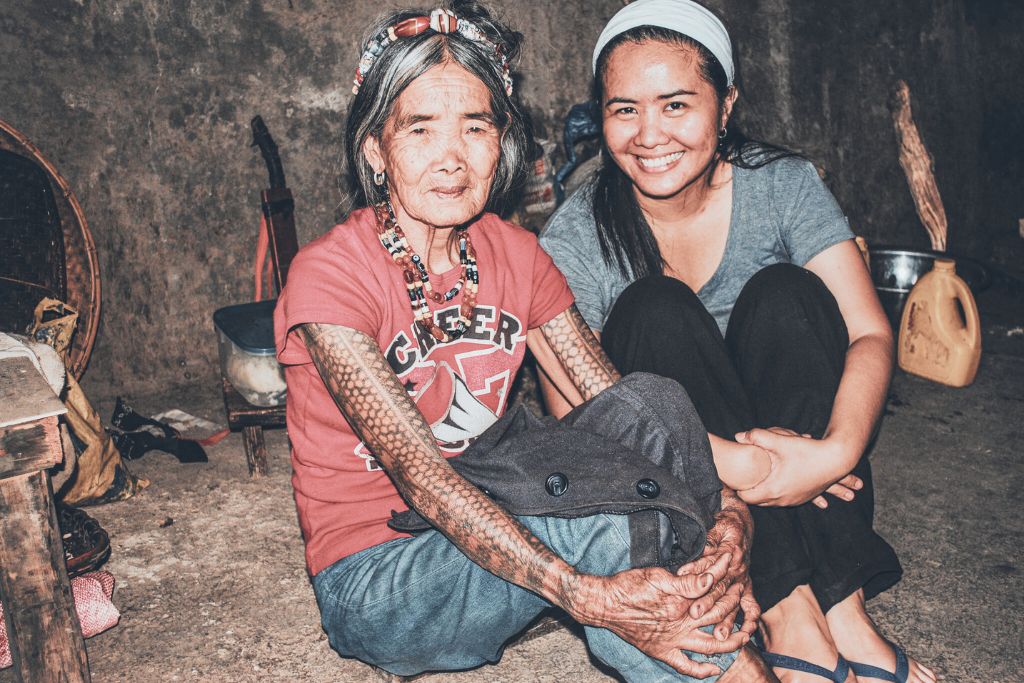
Apo Whang-od, the oldest mambabatok (traditional Kalinga tattoo artist) in the Philippines, lives in the village of Buscalan, and the hike up to meet her is one of the most meaningful travel experiences I’ve had in my life.
This isn’t a destination for everyone. Getting there requires effort — rough roads, long drives, and a willingness to move slowly. But if you’re drawn to indigenous culture and authentic experiences, the Cordillera is extraordinary.
Ilocos
Ilocos doesn’t always make it onto the standard tourist itinerary, which is a genuine shame.
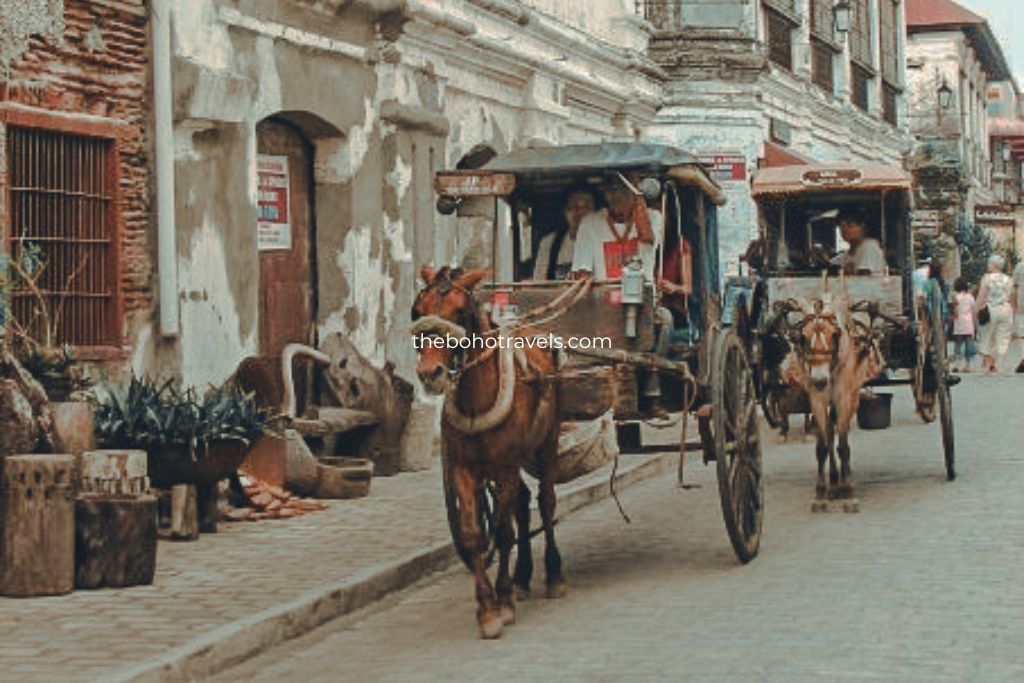
This region in northern Luzon is home to two UNESCO World Heritage Sites: the historic city of Vigan — one of the best-preserved Spanish colonial towns in Asia, with cobblestone streets and kalesa (horse-drawn carriages) still in use — and Paoay Church, a baroque masterpiece that has survived centuries of earthquakes and colonial history.
The food is also different here: the Ilocano cuisine is saltier and more intensely flavored than what you’ll find in Manila, and dishes like bagnet and pinakbet done the Ilocano way are worth the trip on their own.
Bicol
Bicol sits at the southeastern end of Luzon and packs an extraordinary variety into one region.
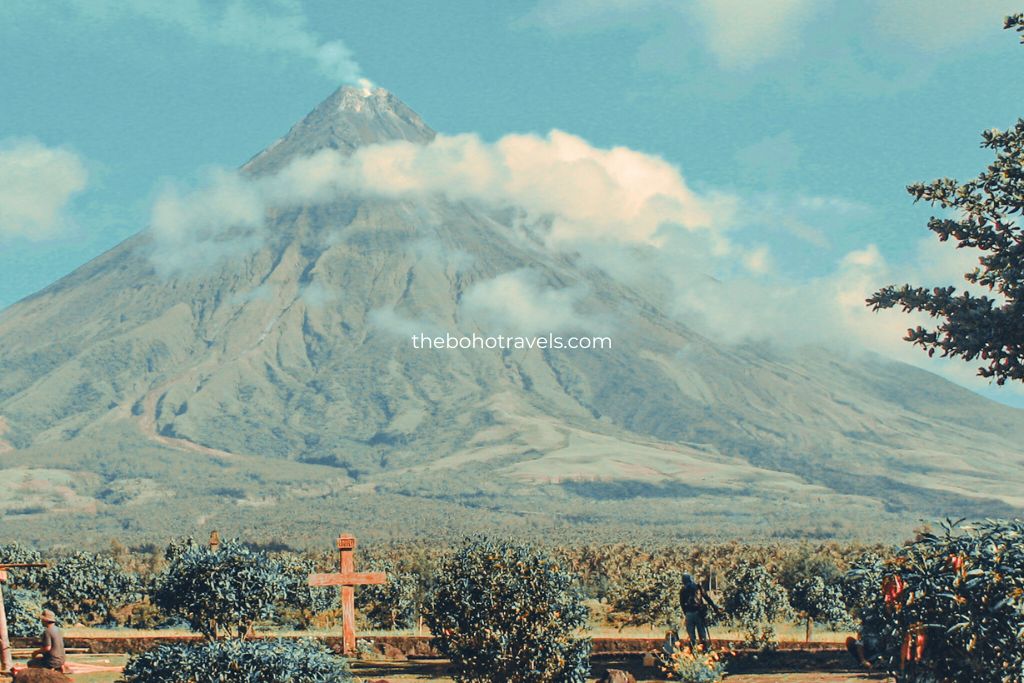
The Mayon Volcano in Albay — the most perfectly conical volcano in the world — is the visual anchor of the whole area, visible on clear days from across the province. Donsol in Sorsogon is one of the best places in the world to swim with whale sharks (butandings) in the wild, without the circus atmosphere that has developed in some other whale shark destinations. And the Caramoan Islands in Camarines Sur offer some of the most dramatic island scenery in the Philippines — jagged limestone karsts, clear water, and very few crowds.
Bicol is ideally visited as a road trip from Manila, which is how I first experienced it — seven days driving through the region, swimming with whale sharks in Donsol, soaking in the hot springs at the foot of Mt. Isarog in Naga, doing island-hopping through the dramatic limestone karsts of the Caramoan Islands in Camarines Sur, and ending in Legazpi with Mayon right in front of us.
Batanes
Batanes sits at the far northern tip of the Philippines, closer to Taiwan than to Manila, and is genuinely unlike anywhere else in the country. The landscape — rolling hills, stone houses built to withstand typhoons, dramatic cliffs dropping into the Pacific — looks more like Ireland or the Faroe Islands than Southeast Asia. It’s also one of the most expensive domestic destinations to reach, which is partly why it remains relatively uncrowded and unspoiled.
I haven’t been to Batanes yet — it’s still on my own bucket list — but I’ve heard enough from travelers I trust to say: if you have the time and budget, it belongs on this list.
Palawan (El Nido, Puerto Princesa & Coron)
Palawan consistently ranks among the world’s best islands, and it earns the reputation. But it’s not one place — it’s a long, narrow island with three distinct areas that offer very different experiences.
El Nido is for those who want pristine white beaches, dramatic limestone cliffs, and island-hopping through hidden lagoons. It’s the visual Philippines that ends up on magazine covers.
Puerto Princesa is home to the Puerto Princesa Subterranean River, a UNESCO World Heritage Site — a navigable underground river inside a cave system that is one of the genuine natural wonders of the country.
Coron, further north, is best known for its crystal-clear lakes (Kayangan Lake is one of the most photographed spots in the Philippines) and world-class wreck diving — Japanese ships sunk during World War II now sit on the seabed surrounded by marine life.
Plan Palawan as its own dedicated trip. It’s not a day trip or an add-on.
Boracay
Boracay is probably the most famous beach destination in the Philippines — and possibly the most famous destination in the country, full stop. White Beach is exactly what it sounds like: powdery white sand, clear water, and some of the most beautiful sunsets you’ll see anywhere.

The island was temporarily closed in 2018 for environmental rehabilitation, and it came back in considerably better shape. It’s still lively, still crowded in peak season, and still worth going. Just go in with realistic expectations about what a famous beach resort island looks like.
Cebu
Cebu is one of the most versatile destinations in the Philippines. Cebu City itself has history — Magellan’s Cross, the Basilica del Santo Niño, Fort San Pedro — and a food scene that rivals Manila’s.
Outside the city, the island and its surrounding waters offer diving, whale shark encounters in Oslob (though responsible travelers should research the ethics of this particular experience before going), canyoneering in Kawasan Falls, beautiful beaches in Bantayan and Malapascua, and much more.
If you’re visiting in January, Cebu City during the Sinulog Festival is an experience unlike anything else in the Philippines.
Cebu is also a major domestic hub, making it a practical jumping-off point for other Visayas destinations.
Bohol
Most people come to Bohol for the Chocolate Hills — those perfectly symmetrical mounds spread across the interior of the island, which turn brown in the dry season and green after the rains — and for Panglao, which has some of the best diving in the Visayas and long stretches of white sand beach. And they’re worth seeing.
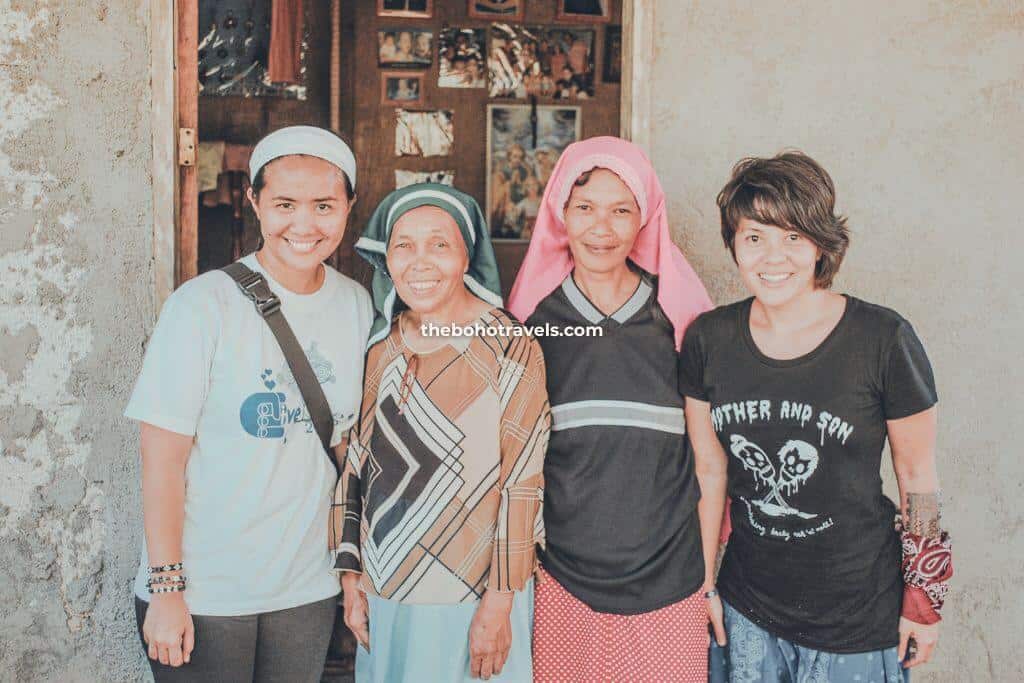
But Bohol is also where I encountered one of the things that has stayed with me most from all my years of traveling in the Philippines: the Eskaya tribe in Duero, one of the indigenous communities of the island, with their own distinct language and traditions.
💡 If you’re planning a trip there, the Bohol tourist spots guide is the best place to start.
Siargao
Once a quiet island in Surigao del Norte in Mindanao, Siargao has become one of the top tourist destinations in the Philippines over the past decade — and for good reason. Known as the Surfing Capital of the Philippines, it draws surfers from around the world to Cloud 9, one of the most famous surf breaks in Asia. But even if you don’t surf, the island’s relaxed vibe, island-hopping options, and striking landscapes make it worth the trip.
I haven’t been to Siargao yet — it’s still on my list — but its reputation is consistent across everyone I know who has gone: laid-back, beautiful, and easy to love.
How to get to the Philippines
International Entry Points
Most international flights arrive at Ninoy Aquino International Airport (NAIA) in Manila. This is the busiest and most connected airport in the country. If your trip begins and ends in Manila, NAIA is the obvious choice.
But here’s something worth knowing: if your first or last stop in the Philippines is closer to Cebu or Clark, and your onward destination has flights from those airports, consider routing through them instead. NAIA is congested — it has been for years — and the experience of arriving or departing through Mactan-Cebu International Airport or Clark International Airport is considerably less stressful.
Visa
Nationals from many countries can enter the Philippines visa-free for stays of up to 30 days. The rules vary by nationality, and it’s worth checking before you book.
Check the official Philippine Bureau of Immigration website (immigration.gov.ph) to confirm whether you need a visa and what documents you’ll need to present on arrival.
Getting around the Philippines
Between Destinations
Inter-island travel is part of the experience in the Philippines, and there are a few ways to do it:
Domestic flights are the fastest option between distant islands. Cebu Pacific and AirAsia are the main budget carriers — affordable, but with a reputation for delays and tight seats. If comfort matters to you, Philippine Airlines (PAL) offers a more pleasant experience for a higher fare. Book domestic flights as early as possible, especially for Palawan and Siargao, as seats fill up fast during peak season.
Ferries and RoRo (roll-on, roll-off) services connect many islands and are a great option for shorter inter-island routes. 2GO Travel is one of the major operators for longer routes. Always book with accredited operators — safety standards vary.
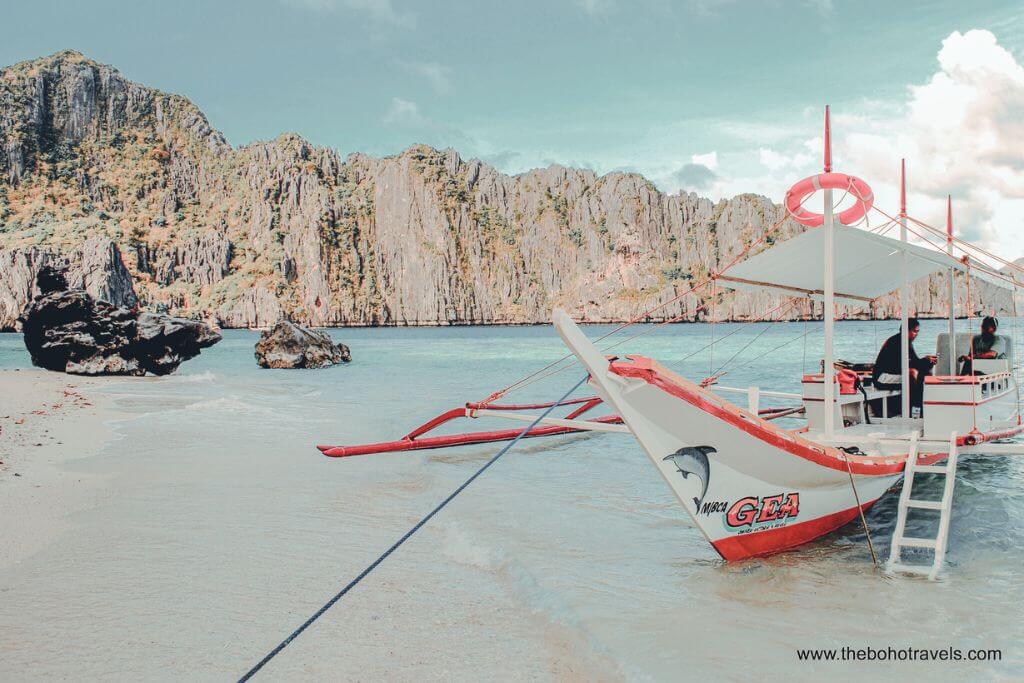
Bangkas — the traditional outrigger boats — are how you get around within destinations like El Nido and Coron, and how most island-hopping tours operate. They’re a uniquely Philippine experience.
💡 The Philippines is an archipelago of over 7,000 islands. Distances are deceptive on a map — what looks like a short hop between islands can involve a flight, a ferry, and a habal-habal ride. Build generous travel time into your itinerary and don’t try to cover too much ground in too few days.
Within Destinations
Once you’re somewhere, getting around is usually a mix of:
- Grab (the Southeast Asian equivalent of Uber) works well in Manila, Cebu City, and a few other urban areas. It’s the most reliable and convenient option in cities.
- Jeepneys and tricycles are the public transport backbone of the Philippines — colorful, cheap, and an experience in themselves. Jeepneys follow fixed routes; tricycles are more flexible and can be hired for short trips.
- Habal-habal (motorcycle taxis) are common in rural and mountain areas where roads are too narrow or rough for larger vehicles. In places like Kalinga, they’re often your only option for the last stretch to a village.
- Car rentals with a driver are a practical option for road trips — particularly in Luzon, where driving between provinces is very doable. Filipinos are friendly and genuinely happy to help with directions if you approach them respectfully.
How much does a Philippines trip cost?
The Philippines can be traveled on a wide range of budgets. The biggest variable in your overall cost is almost always domestic flights — they add up quickly and, in some cases (like Batanes), can cost as much as an international ticket to a neighboring country.
Budget tiers (per person per day, excluding flights):
- Budget traveler: PHP 1,500–2,500/day (~USD 25–45): Guesthouses, local eateries, public transport, free or low-cost activities. Entirely doable if you’re comfortable with basic accommodation and eating where locals eat.
- Mid-range: PHP 3,000–6,000/day (~USD 50–105): Comfortable hotels or boutique guesthouses, a mix of local restaurants and more tourist-oriented dining, and private transfers for some legs. This is where most independent travelers land.
- Comfortable / semi-luxury: PHP 7,000+/day (~USD 120+): Well-appointed resorts, private island-hopping tours, better domestic flight options, nicer restaurants. The Philippines has genuinely excellent resorts — particularly in Palawan and Boracay — at this level.
What drives costs up
Domestic flights are the biggest expense for multi-destination trips. Island-hopping tours, diving packages, and boat charters also add up — budget for these separately if they’re a priority. Palawan, in particular, tends to be one of the more expensive destinations because of the need for boat transfers.
Browse accommodation options and current rates across the Philippines on Agoda — I use it for most of my bookings here.
What to know before you go
Below are some tips for when you visit the Philippines:
Safety
The Philippines is generally safe for tourists, particularly in the established tourist destinations covered in this guide. That said, some regions in Mindanao have active travel advisories from various governments, and it’s worth checking your own government’s travel advisory before your trip.
As with any destination, keep an eye on your belongings in busy areas, use reputable transport operators, and don’t flash expensive equipment in markets or crowded spaces.
Get travel insurance. It’s not optional here — especially if you’re visiting during typhoon season or planning activities like diving, island-hopping, or hiking.
Currency & Money
Our currency is the Philippine peso (PHP). ATMs are widely available in cities and tourist hubs, though you can expect them to be less reliable in remote areas. Withdraw larger amounts before heading to island destinations or mountain provinces.
Credit cards are accepted in malls, larger hotels, and tourist-oriented restaurants. For smaller establishments, markets, and local transport, cash is king.
Connectivity & SIM Cards
Mobile connectivity in the Philippines has improved significantly. The major carriers are Globe and Smart, with coverage across most tourist destinations. I recommend getting an eSIM before you arrive, or picking up a local SIM at the airport on arrival. Data is affordable and a local SIM makes navigating, booking Grab, and staying in touch much easier.
Health & Vaccinations
Consult your doctor or a travel health clinic before your trip for up-to-date vaccination recommendations. Standard travel vaccinations (Hepatitis A and B, Typhoid) are commonly recommended for the Philippines. Dengue fever is present in the country — use insect repellent, especially in areas with standing water.
Bring any prescription medications you need, as specific brands may not be available outside major cities.
Culture & Customs

Filipinos are genuinely warm and hospitable — this is not a tourist-brochure cliché, it’s something you’ll feel within your first few interactions. But a little cultural awareness goes a long way.
Use po and opo when speaking to elders or people in positions of authority. These are markers of respect in Filipino culture, and using them — even with a foreign accent and imperfect Tagalog — will be noticed and appreciated.
Pagmamano is the traditional gesture of respect for elders: you take an elder’s hand and press it gently to your forehead. If someone offers their hand this way, you can participate by bowing slightly toward it. When asking to do this, Filipinos say “Mano po.”
If you pick up a few Tagalog words — salamat (thank you), kumusta (how are you), masarap (delicious) — and use them with genuine intent, doors open. Filipinos love it when visitors make the effort, however small.
We also love music, singing, and food. If you find yourself at a Filipino gathering with a karaoke machine and you’re invited to sing, accept the invitation.
A note for Filipinos coming back
If you grew up outside the Philippines, or if you’ve been living abroad for years, you may arrive with assumptions about the country — its people, its pace, its limitations — that don’t match what you find. I’ve seen it happen: someone who had a fixed idea of what the Philippines was, based on stories or distance, arrives and realizes how different the reality is. And how much more there is.
The Philippines is more than Boracay, Palawan, and Manila. Our indigenous cultures, our regional cuisines, our dialects, our landscapes — there’s a richness here that takes real time to find. I hope this guide is a starting point for that.
Common mistakes first-timers make
Trying to cover too many destinations in too few days. The Philippines is an archipelago — travel between islands takes time, and rushing it means spending more of your trip in transit than you planned. Pick two or three destinations max for a first visit and give yourself room to move slowly.
Assuming everywhere is remote. Some visitors arrive expecting limited facilities and are surprised to find modern infrastructure, well-run resorts, and good restaurants in the major tourist areas. Others arrive expecting the same and are surprised in the opposite direction in genuinely remote places. Research your specific destination.
Skipping Manila. I understand the instinct — you’ve come for the beaches. But Manila is worth at least two days. The history, the food, and the energy of the city add context to everything else you’ll see.
Forgetting that the Philippines is diverse. Each region has its own language, food, and culture. What’s true in Manila isn’t necessarily true in Cebu or Davao. The Philippines rewards travelers who pay attention to the differences.
Philippines Itinerary Ideas
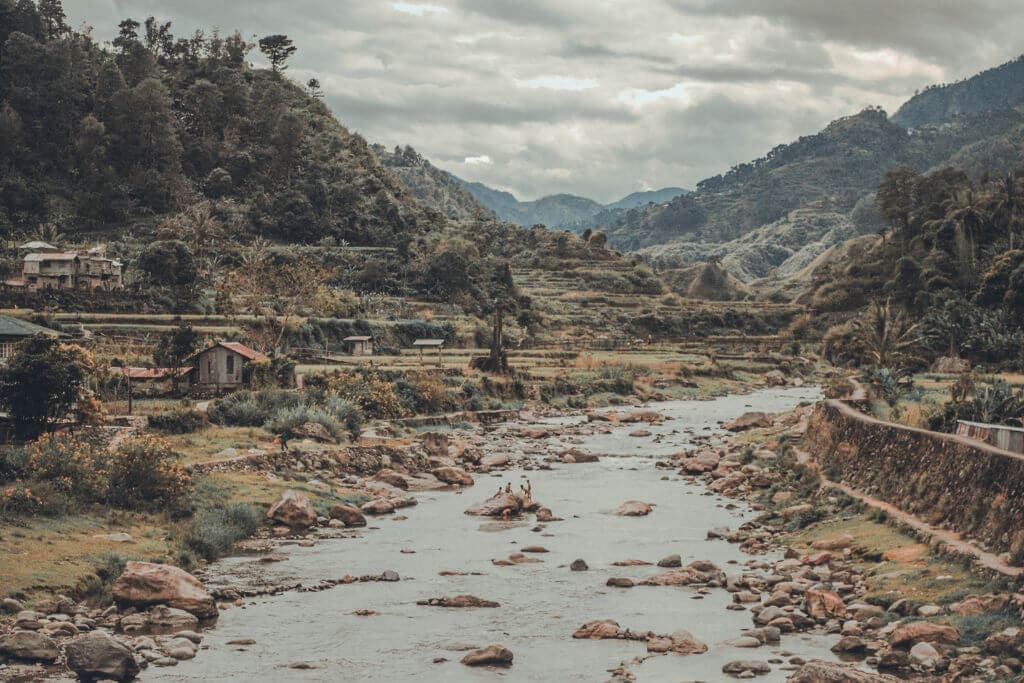
Here are some ideas to help you get started. The best itinerary depends on what you’re drawn to, how long the flights take from where you’re coming from, and how much ground you actually want to cover.
7 Days — First-Timer’s Philippines
- Days 1–2: Manila. Use these days to decompress, adjust to the time zone, and take in the city. Visit Intramuros and Rizal Park, eat your way through the food scene, and get a feel for the country before you head anywhere else.
- Days 3–6: One island destination. Choose one: Palawan (El Nido or Coron), Boracay, or Cebu and Bohol together if you move quickly. Don’t try to do more than one major island in this window.
- Day 7: Back to Manila. If your flight is in the evening, you have time for a last meal, a walk around BGC or Makati, and a proper goodbye to the city.
💡 Seven days is enough for a meaningful first trip — but only if you resist the urge to add destinations. One great place experienced properly is better than three places rushed.
10–14 Days — Go Deeper
With 10 to 14 days, you can do Manila plus two or three destinations outside the capital. A few natural combinations:
- Manila → El Nido (Palawan) → Cebu + Bohol: Classic, well-connected, and covers a lot of the Philippines’ greatest hits.
- Manila → Baguio → Kalinga (Cordillera): For those more drawn to culture and mountains than beaches. Slow travel, big rewards.
- Manila → Boracay → Siargao: Beach and surf, two very different island vibes.
Build in a buffer day somewhere. Domestic flights get delayed, and weather happens.
The Underrated Option: Add Ilocos
If you’re coming from Manila and have even a few extra days, I’d recommend adding Ilocos to your trip — particularly if cultural heritage matters to you. Vigan is one of the most remarkable cities in Southeast Asia, and it’s not on the radar of most foreign visitors the way it should be. On your way back south, a night in San Juan, La Union gives you a taste of the laid-back surf community on the Luzon coast — a very different energy from Manila, and a good way to end a trip.
Start planning your Philippines trip
The Philippines rewards the traveler who goes in curious and comes out a little changed. I hope this guide gives you enough to take the next step.
Explore the destination guides below to go deeper into each area:
Philippines Destinations
- Things to Do in Manila
- Baguio Travel Guide
- Bohol Tourist Spots Guide
- Things to Do in El Nido
- Kalinga & the Cordillera Travel Guide [coming soon]
- Ilocos Travel Guide [coming soon]
- Bicol Travel Guide [coming soon]
- Best Places to Visit in the Philippines
- Indigenous Art & Culture in the Philippines
When you’re ready to book, I recommend Agoda for accommodation across the Philippines — from budget guesthouses to beach resorts. It’s what I use, and the inventory for Philippine destinations is comprehensive.