Things to Do in Brunei for First-Time Visitors
Things to do in Brunei | Where to stay | FAQs

Brunei doesn’t have the longest list of things to do — and honestly, that’s not a bad thing.
When Justine and I visited in 2015, we didn’t come with a packed itinerary. We came with curiosity and a loose plan, and we let this Southeast Asian country show us what it wanted to. What we found was a place where the best moments happened because we slowed down enough to notice them.
This post covers everything we did during our time in Bandar Seri Begawan, plus the activities I wish we’d made time for. If you’re planning your first trip to Brunei, consider this your starting point — and if you want the full picture of Brunei tourist spots you should visit, that guide covers the places themselves in more detail.
⏳ Planning your Brunei trip? Use my favorite resources.
🛌 Hotels & Accommodation: Agoda & Booking.com
🏞️ Tours & Activities: Viator, GetYourGuide, and Klook.
🚗 Car Rental: DiscoverCars.com
*These are all the sites I personally use to book my trips, and if you use them, some of them will earn me a commission at no extra cost to you. This helps reduce the ever-increasing costs of keeping my site up. Thanks!
Things to Do in Brunei
Brunei isn’t the kind of destination that hands you a packed itinerary. But what it does offer — if you slow down enough to notice — is more than enough to fill your days and leave you wishing you’d stayed longer.
What We Experienced
Justine and I didn’t come to Brunei with a plan. We came with curiosity and let the country show us what it wanted to. These are the things we ended up doing — some planned, some not.
💡 If you’d prefer to have the logistics handled for you, this full-day Brunei tour covers the mosques, Kampong Ayer, and a mangrove safari in one go — with hotel pickup included. A solid option for anyone with just one day in the city.
💡 Prefer something more private? The Private Bandar Heritage & Water Village Tour is a good alternative — a personal guide, the same key stops, and a pace that’s entirely yours.
1. Enjoy the Calmness of Masjid Sultan Omar Ali Saifuddien
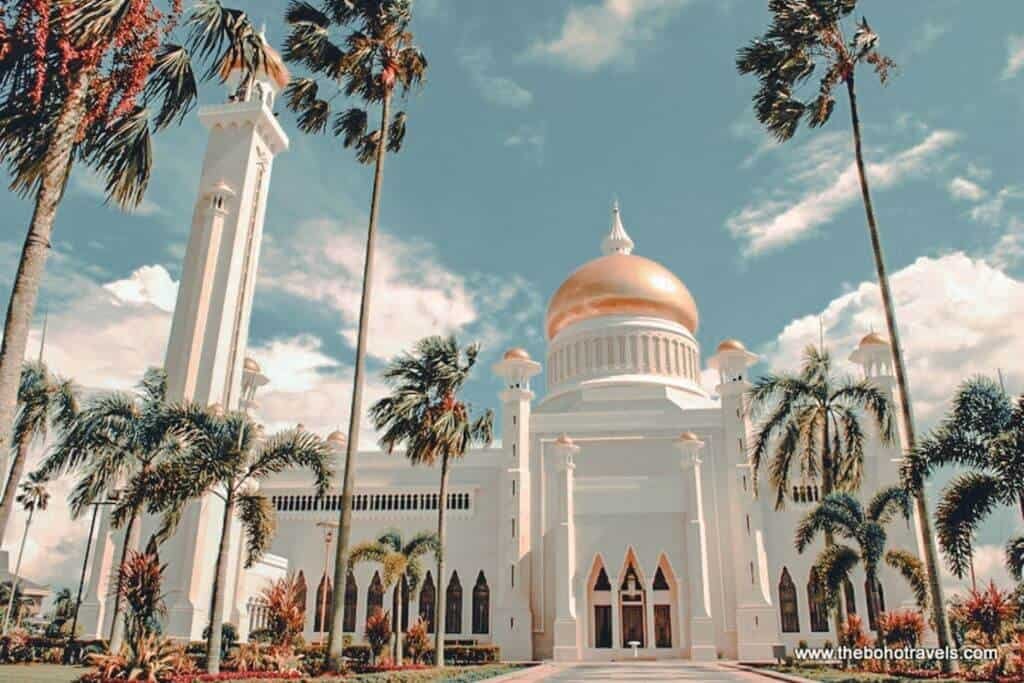
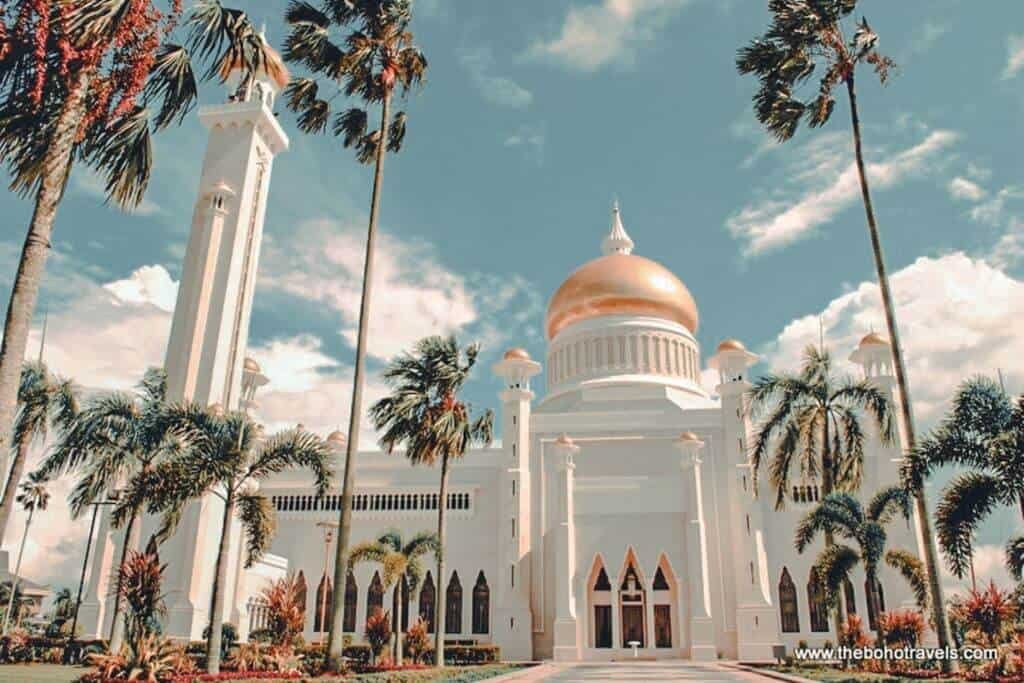
Masjid Sultan Omar Ali Saifuddien was the first mosque we visited. And, if there’s one thing I didn’t expect from Brunei, it’s how much time I’d spend just savoring this experience. The artificial lagoon surrounding it mirrors the gold dome and marble tower in a way that feels almost unreal, and the atmosphere around it is quiet in a way that city centers rarely are.
We didn’t go inside — we weren’t dressed appropriately on our first visit, and by the time we were, the moment had passed. But even from the grounds, it’s the kind of place that makes you stop moving and just be somewhere for a while.
The same is true of Jame’Asr Hassanil Bolkiah Mosque, a short drive away. Brunei’s largest mosque, crowned with 29 golden domes, offers the same sense of calm — just on a grander scale. If you have time for only one, Sultan Omar Ali Saifuddien is the more iconic. But if you have a free afternoon, both are worth it.
2. Capture the Majestic Beauty of Jame’Asr Hassanil Bolkiah Mosque at Night
Both mosques are worth seeing twice — once in daylight, once after dark.
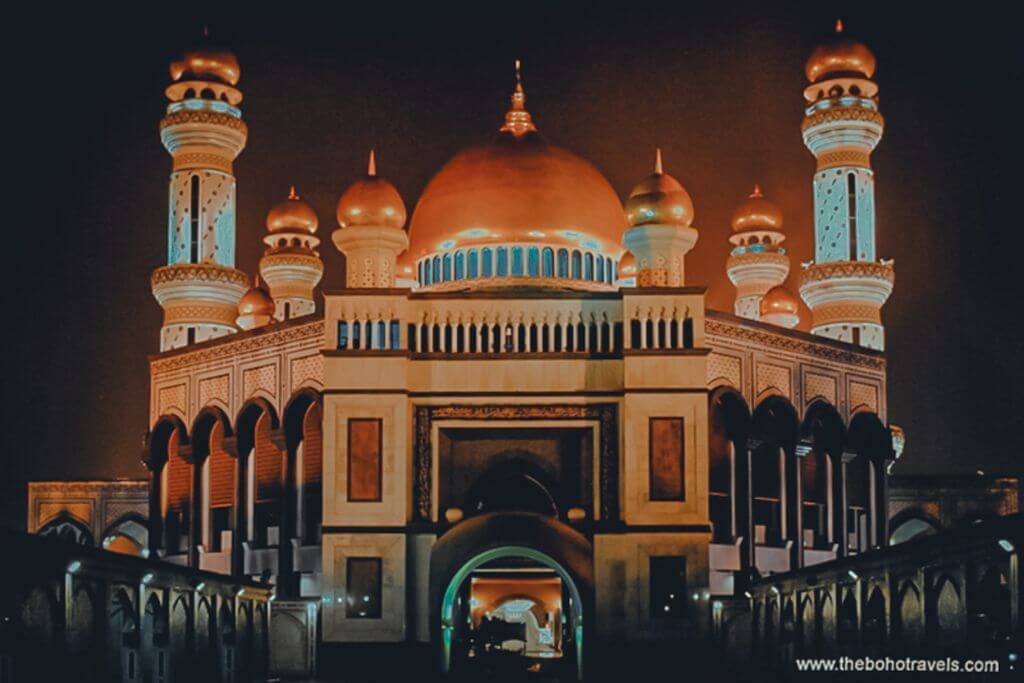
We made it a point to go back in the evening, and it was a completely different experience. Jame’Asr Hassanil Bolkiah lit up against the night sky is one of those images that stays with you. The golden domes take on a different quality in the dark — warmer, more dramatic, more alive somehow.
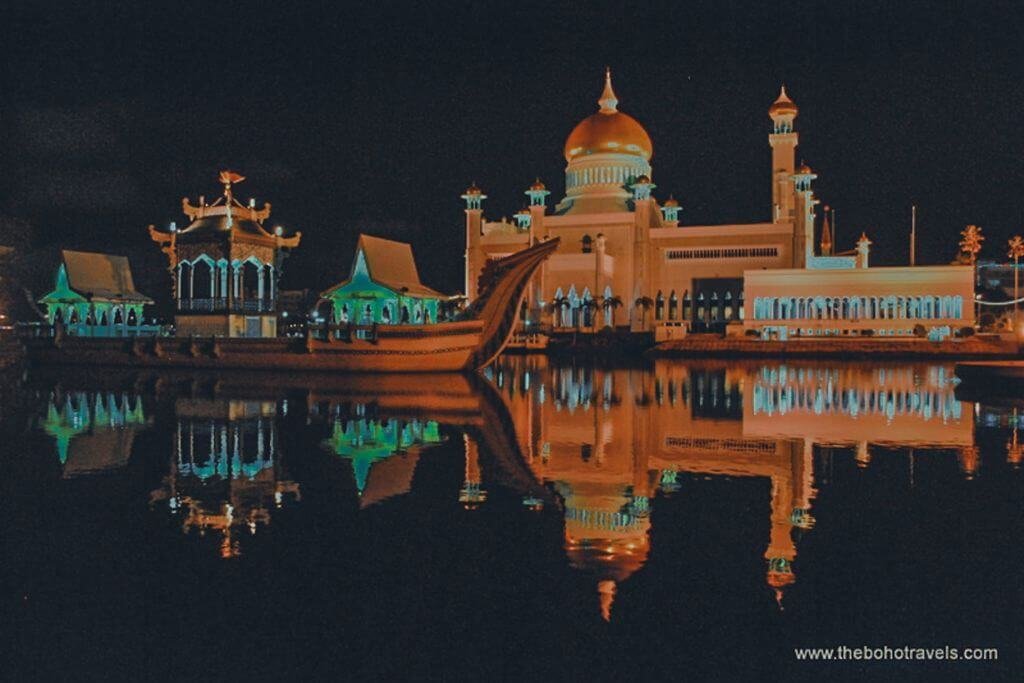
Sultan Omar Ali Saifuddien at night is equally striking. The lagoon doubles the reflection of the lights, and the crowds thin out, which makes the whole visit feel more personal.
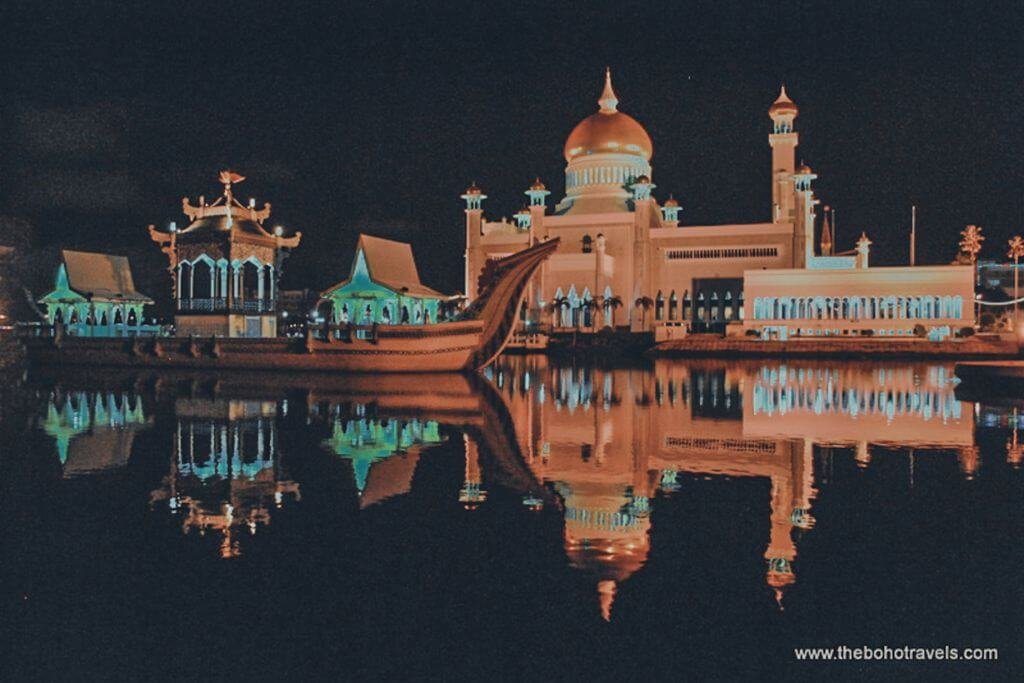
If you’re staying in Bandar Seri Begawan, don’t skip the evening visit. It costs nothing and adds something the daytime visit can’t give you.
3. Explore Kampong Ayer by Boat
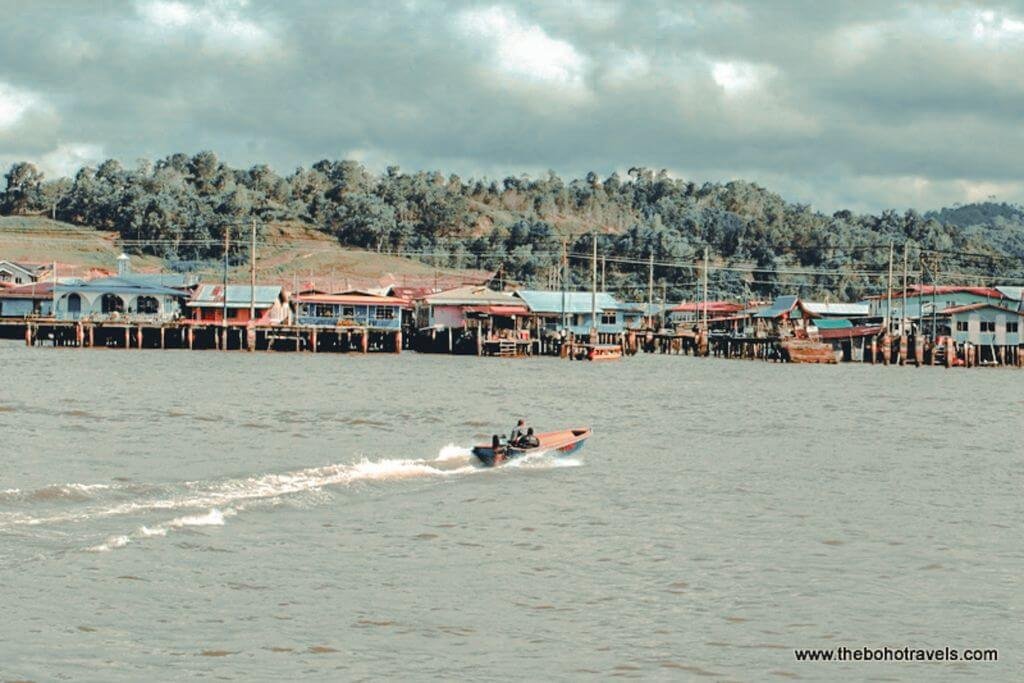
We hired a boat and guide through our driver, Irwan, and spent about an hour on the Brunei River. From the water, you see Kampong Ayer — the full stretch of stilt houses extending along the riverbank, the mosque domes rising above the rooftops, the way the whole village seems to float between the river and the sky.
What struck me most as we moved through the village wasn’t the architecture or the scale of it — though both are impressive — it was the ordinariness of life happening around us. Residents crossing bridges, kids playing near doorways, boats passing under the village through gaps in the stilts.
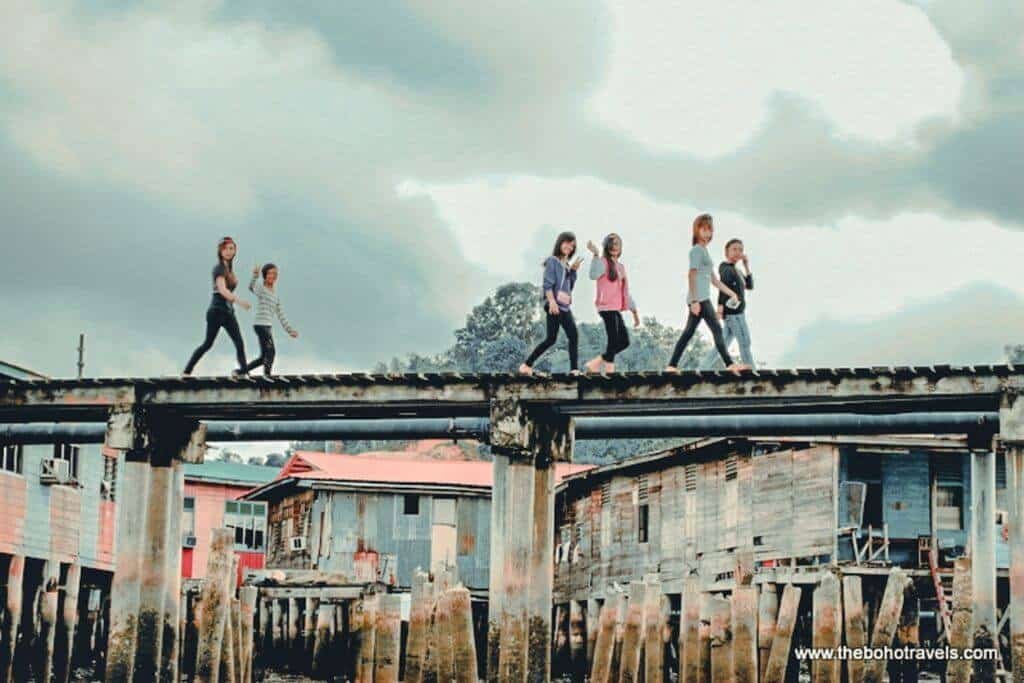
Our guide gave us the full picture — the mosques, schools, clinics, and police stations the government built to support the community, the history of how the village grew and how it’s changed. That context made the whole experience land differently than it would have from the riverbank.
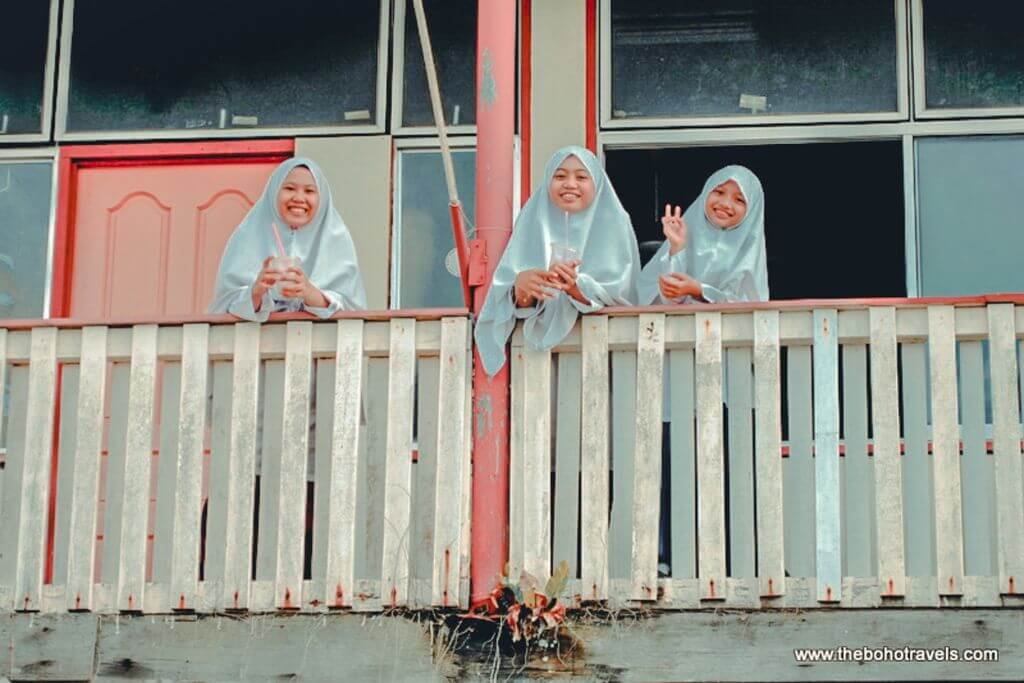
And then the kids started waving.
It sounds like a small thing. But there’s something about being welcomed by people who have no reason to welcome you — who are just genuinely happy to see you there — that gives you a completely different perspective on a place. That moment is the one I carry with me from Brunei more than any other.
4. Visit the Kampong Ayer Cultural and Tourism Gallery
The Kampong Ayer Cultural and Tourism Gallery sits right on the water’s edge and traces the history of the village from its earliest days — through artifacts, photographs, and displays covering the architecture, traditional occupations, and customs of the community. There’s also a watchtower with views over the stilt houses that’s worth the climb.
It takes about 30 to 45 minutes, and it gives you the kind of background that makes the boat tour make sense.
5. Browse Tamu Kianggeh Market
Tamu Kianggeh isn’t the most glamorous stop in Bandar Seri Begawan — and that’s exactly why it’s worth going.
It’s a wet and dry market on the banks of the Kianggeh River, selling fresh produce, local snacks, cooked food, and everyday goods. We didn’t catch it at its busiest — early morning is when the stalls are fully stocked, and the energy is highest — but even on a quieter afternoon, it gave us a side of Brunei that the mosques and the water village couldn’t.
If you’re an early riser, aim to get there before 8 am for the full experience. And keep an eye out for nasi katok — rice and fried chicken, Brunei’s most beloved everyday dish — which you’ll find at stalls throughout the market for about 1 BND.
6. Talk with the Locals at Tamu Kianggeh
The market is worth visiting for the food and atmosphere alone. But what I remember most is the conversations.
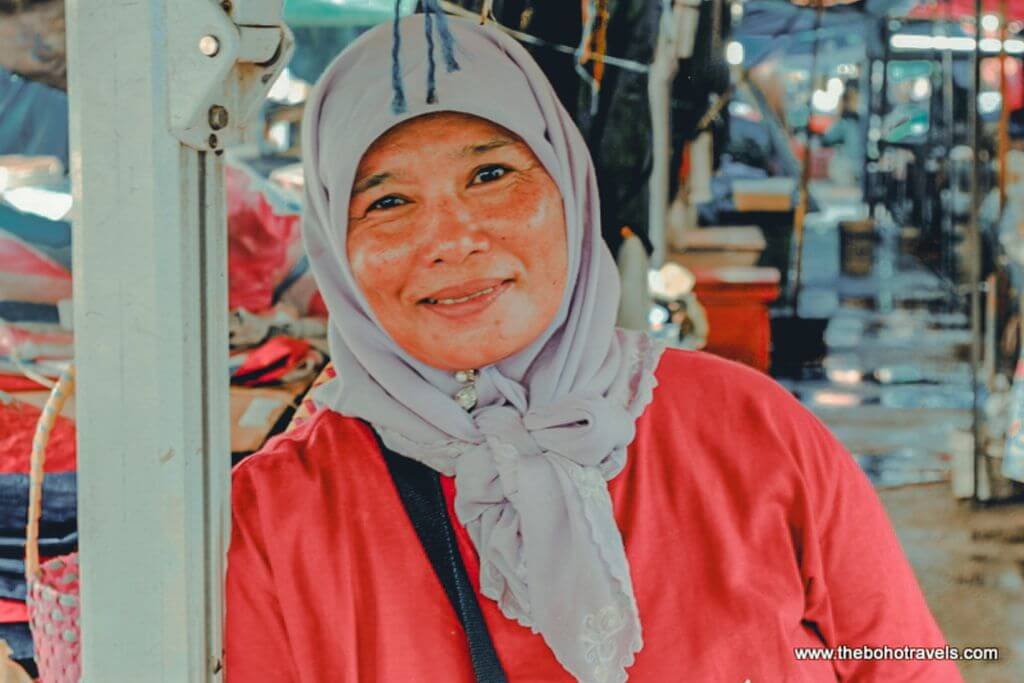
Some of the vendors were Bruneian locals. Others had come from Nepal, the Philippines, and other parts of the region. Sitting down and talking with them — even briefly — gave us a picture of Brunei that no guidebook could. A small, wealthy country that quietly draws people from all over the world, where different cultures and faiths exist side by side in a way that feels completely unremarkable to the people living it.
It’s one of those reminders that the best things about travel rarely happen at the main attraction. Sometimes they happen at a market stall over a plate of rice and fried chicken.
7. Visit The Empire Hotel at Night
Our Couchsurfing host brought us here on one of our evenings in Bandar Seri Begawan, and it turned out to be one of the more memorable stops of the trip.
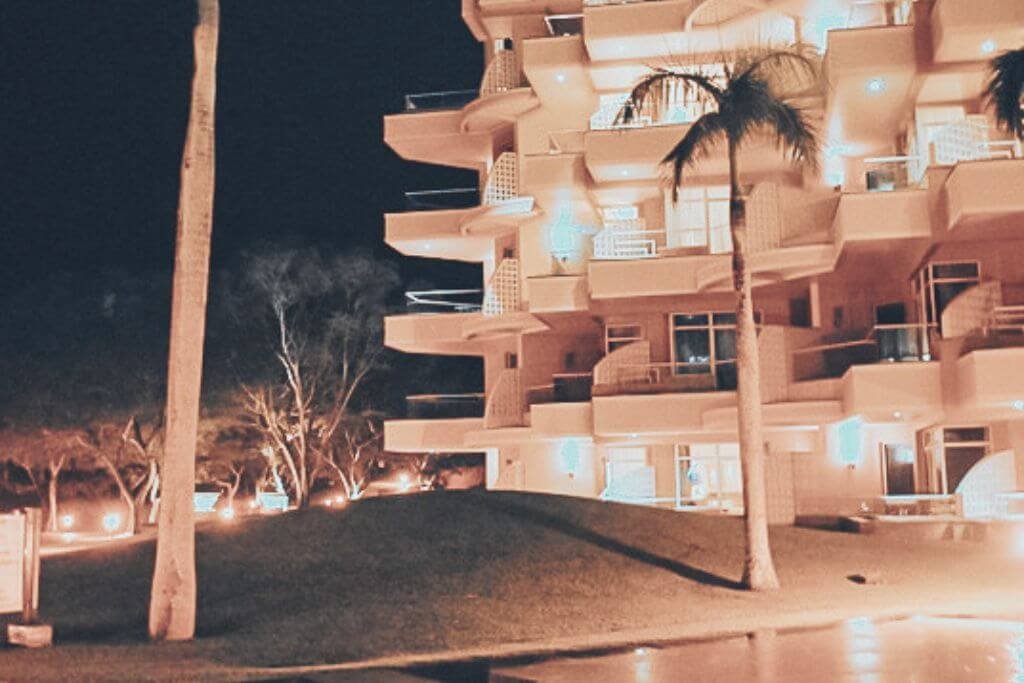
The Empire Hotel and Country Club is one of the most luxurious hotels in Brunei — built in 1999, commissioned by the Sultan’s brother, and designed on a scale that’s hard to fully take in until you’re standing inside it. We weren’t staying there. We just walked the grounds and took in the architecture at night, when the lighting makes the whole property feel even more dramatic than it probably does in daylight.
It’s the kind of place that gives you a different dimension of Brunei — one that sits alongside the mosques and the water village and the quiet market mornings, and reminds you that this is a country with a very particular relationship with wealth and beauty. Worth an evening if you have a local willing to bring you.
8. Try Ambuyat at Aminah Arif
If there’s one thing you should eat in Brunei, it’s ambuyat.
Brunei’s national dish is made from sago palm starch — it’s sticky, starchy, and completely unlike anything else in Southeast Asia. The texture takes some getting used to; it’s gelatinous and almost gluey, and you eat it by twirling it around a special bamboo fork called a chandas before dipping it into a sour fruit sauce called cacah. There’s no strong flavor on its own — it’s really about the dipping sauce and the experience of eating it.
We tried ambuyat at Aminah Arif. They offer generous portions and the staff are used to first-timers fumbling with the chandas. Go hungry, go curious, and don’t overthink it.
9. Eat Your Way Beyond Ambuyat
Brunei’s food scene is more diverse than you might expect for a country its size — and we made the most of it.
We had Indonesian food at Aneka Rasa, which was straightforward, filling, and good. We also tried Japanese at Excapade, which might seem like an odd choice in Brunei — but it’s one of the most popular restaurant chains in the country, and the quality is genuinely solid. Food in Brunei is affordable across the board, and the variety reflects how multicultural the country actually is beneath its quiet surface.
If you’re spending two days in Bandar Seri Begawan, you won’t run out of options. Eat at the market, eat at a local restaurant, eat somewhere that surprises you. That’s the approach that worked for us.
Activities I Wish I Had Done
Two days in Brunei go faster than you’d think. We left with a list of places we didn’t get to — some because of rain, some because we didn’t plan far enough ahead, some because we simply didn’t know they existed until after we got home. If I went back tomorrow, these are the ones I’d prioritize.
10. Spot Proboscis Monkeys in the Wild
Brunei is one of the few places in the world where you can see proboscis monkeys in their natural habitat — the large, distinctive primates native to Borneo, recognizable by their long noses and reddish-brown fur. They’re typically spotted along the mangrove rivers at dusk, when they come down to the water’s edge before settling in for the night.
💡 PRO TIP: We were supposed to go and didn’t make it happen. If you don’t want to make the same mistake, this private proboscis monkey tour is consistently well-reviewed and takes about two hours. Go early — ideally before 8am — for the best chance of spotting them.
11. Eat Your Way Through Gadong Night Market
Every evening we planned to go to Gadong Night Market, it rained. By the time we accepted that it wasn’t going to happen, our trip was almost over.
Gadong is Brunei’s most popular night market — the place locals will point you to first when you ask where to eat. Street food, local dishes, the kind of atmosphere that only exists after dark when vendors are set up, and the whole place smells like something good cooking. It’s an experience that should be non-negotiable on a Brunei itinerary, which is exactly why I’m putting it here rather than quietly leaving it off the list.
Go earlier in the evening rather than later, and go on a clear night.
12. Walk Among the Treetops at Ulu Temburong National Park
Ulu Temburong is a 50,000-hectare expanse of old-growth rainforest in the Temburong District — a separate enclave of Brunei that you reach by speedboat. It’s one of the most pristine ecosystems in all of Borneo, largely untouched by development, and the signature experience is a canopy walkway that sits roughly 60 meters above the forest floor. At that height, you’re level with the treetops, looking out over a landscape that feels completely removed from the rest of the world.
We didn’t make it on our last visit, but it’s at the top of my list for when I go back — and if you have a third day in Brunei, I’d spend it here without hesitation.
💡 This Ulu Temburong day trip includes the canopy walk, a boat ride into the park, and lunch prepared by locals over the Temburong River. Book it well in advance — it requires a minimum of four travelers and fills up fast.
13. Experience Iban Culture at a Traditional Longhouse
I only discovered Brunei’s longhouse communities after I got home, which is one of my bigger travel regrets from this trip.
In the Labi area of Belait District, about an hour from Bandar Seri Begawan, are two Iban longhouses open to visitors: Teraja and Mendaram Besar. Both offer something rare — a genuine window into a way of life rooted in Borneo’s forests, with traditional weaving, ngajat dance performances, local food, and guided hikes to nearby waterfalls. Teraja also runs a homestay if you want to stay overnight.
Given how much I’m interested in learning about and visiting indigenous communities, I wish I’d known sooner that it was possible to visit them in Brunei. I imagine that would’ve been an amazing experience.
14. Learn Islamic Calligraphy at Yayasan Sultan Haji Hassanal Bolkiah
The Islamic Calligraphy and Art Study Centre sits within the Yayasan Sultan Haji Hassanal Bolkiah complex in Bandar Seri Begawan. Three galleries of calligraphic works from local and international artists, with a focus on the Jawi script and its place in Brunei’s cultural identity — and hands-on calligraphy courses if you want to do more than just look.
If you’re interested in Islamic art or looking for something beyond the usual things to do in Brunei, this is worth building into your itinerary.
15. Step Inside the Royal Regalia Museum
A short walk from Masjid Sultan Omar Ali Saifuddien, the Royal Regalia Museum houses the royal collection of Brunei’s reigning sultan — ceremonial regalia, gifts from foreign heads of state, and artifacts from the coronation and Silver Jubilee celebrations.
It’s one of those museums that gives you a window into how a country sees itself — and in Brunei, where the sultan is both head of state and a deeply present cultural figure, that window matters.
We walked past it. We didn’t go in. Don’t make the same mistake we did.
16. Visit Istana Nurul Iman During Hari Raya
The official residence of the Sultan of Brunei is one of the largest palaces in the world — and for most of the year, it’s closed to the public. But during Hari Raya Aidilfitri, the celebration marking the end of Ramadan, the gates open and visitors are welcomed onto the grounds.
Timing a trip around this would take planning, but it’s an experience that doesn’t exist anywhere else. If your schedule allows it, it’s worth building your entire Brunei visit around it.
Where to Stay in Brunei
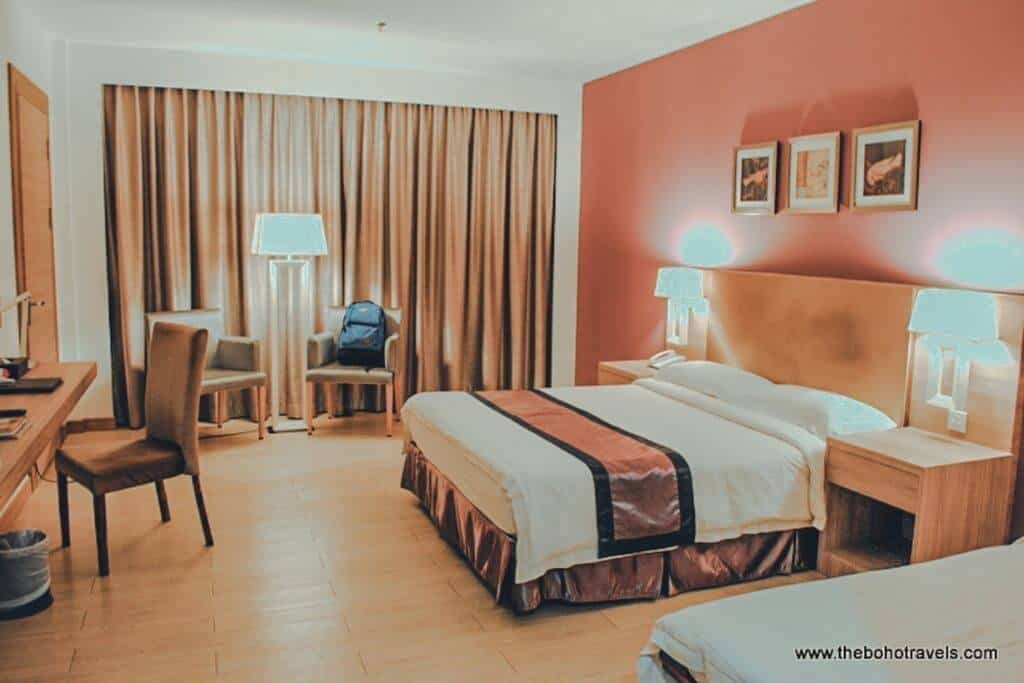
Most of what you’ll want to see and do in Brunei is in or around Bandar Seri Begawan, so staying in the city center makes the most sense for first-timers.
We stayed at Badi’ah Hotel — a three-star property that was well-located, had a pool, and came with complimentary airport transfers before 11 pm. It was a solid base for everything we did. For a full breakdown of where to stay across different budgets, I put together a dedicated guide.
FAQs: Things to Do in Brunei
Is Brunei safe for tourists?
Yes. Brunei is one of the safest countries in Southeast Asia — violent crime is extremely low, and the streets of Bandar Seri Begawan are calm and well-maintained. Standard travel precautions apply: watch your belongings in crowded areas, carry a copy of your passport, and be aware that Brunei has strict laws around public behavior. Public displays of affection are frowned upon, and criticism of the Sultan or the royal family is illegal. As long as you’re respectful of local customs, you’ll have no issues.
Do I need a guide to explore Brunei?
Not for most of the main spots — the mosques, Tamu Kianggeh, and the city center are all easy to navigate independently. For Kampong Ayer, I’d strongly recommend hiring a boat guide. The village is vast, and the history is rich enough that having someone explain it to you makes a significant difference. For Ulu Temburong National Park and the longhouse communities in Labi, a guide is essentially required — both are best accessed through organized tours or advance arrangements.
What should I wear when visiting Brunei?
Brunei is a conservative Muslim country, so modest dress is expected — covered shoulders and knees as a baseline, both for men and women. For mosques specifically, you’ll need to cover your hair (women) and remove your shoes before entering. Some mosques provide robes for visitors who aren’t dressed appropriately, but it’s better to come prepared. We missed going inside both mosques on our first visit because we weren’t dressed right — don’t make the same mistake.
Can non-Muslims enter the mosques?
Yes, non-Muslims are welcome at both Masjid Sultan Omar Ali Saifuddien and Jame’Asr Hassanil Bolkiah during non-prayer hours. Both have specific visiting hours for tourists, which are posted at the entrance. Dress modestly, remove your shoes, and be respectful of the space — these are active places of worship, not just tourist attractions.
How do I get around Bandar Seri Begawan?
The most practical option is hiring a private car or driver for the day — Brunei isn’t built for walking between major sights, and public transport is limited. Ask your hotel to help arrange this and negotiate the rate in advance. Grab and Uber aren’t available in Brunei, but there is a local app called Dart that works similarly to a taxi booking service. For getting to and around Kampong Ayer, you’ll need a water taxi or boat.
How many days do I need?
Two full days is enough to cover the main things to do in Bandar Seri Begawan comfortably. If you want to add Ulu Temburong National Park, build in a third day — it’s in a separate district and deserves its own full day. If you’re planning to visit the longhouse communities in Labi, factor in the travel time from the city as well.
Is Brunei expensive?
Brunei has a high standard of living, but tourist costs are reasonable — meals at local restaurants and markets are very affordable, entry to most attractions is free or low-cost, and accommodation options exist across different budgets. Where you’ll spend more is on transport, particularly if you’re hiring a private car or joining organized tours to places like Ulu Temburong.
The Wrap-Up
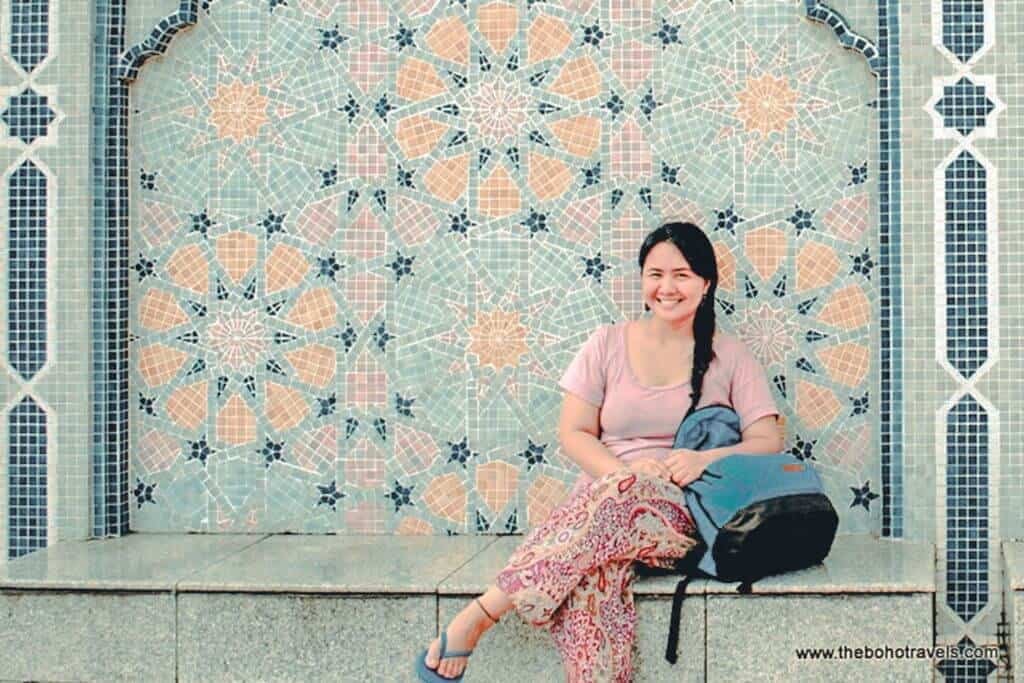
Brunei won’t give you an endless list of things to do. But what it gives you instead — the quiet, the culture, the genuine warmth of the people — is trickier to find anywhere else in Southeast Asia.
We came with loose plans and left with full memories — the kids waving from Kampong Ayer, the ambuyat we fumbled through eating, the evening at The Empire Hotel we didn’t see coming.
If you’re on the fence about whether Brunei belongs on your Southeast Asia itinerary, read our take on whether Brunei is worth visiting first. And if you do go — leave room for the unexpected. That’s where the best parts of Brunei tend to hide.