Is Brunei Worth Visiting? An Honest Answer From Someone Who’s Been
Is Brunei Worth Visiting | Reasons Why | What I’m Going Back For | Should You Visit? | FAQs

When I first got the invitation to visit Brunei, my reaction wasn’t excitement. It was closer to confusion. What’s even in Brunei? What would I do there? Is Brunei even worth visiting? Is that near the Middle East?
Those were my questions. My friends weren’t much help either — one of them genuinely thought Brunei was somewhere near Dubai.
But I’ve always wanted to visit every Southeast Asian country. Not just the ones with the famous beaches and the backpacker trails. And Brunei was on that list. The feedback from people who’d been was all over the place, which made me more curious. What does Brunei actually feel like? What makes it different?
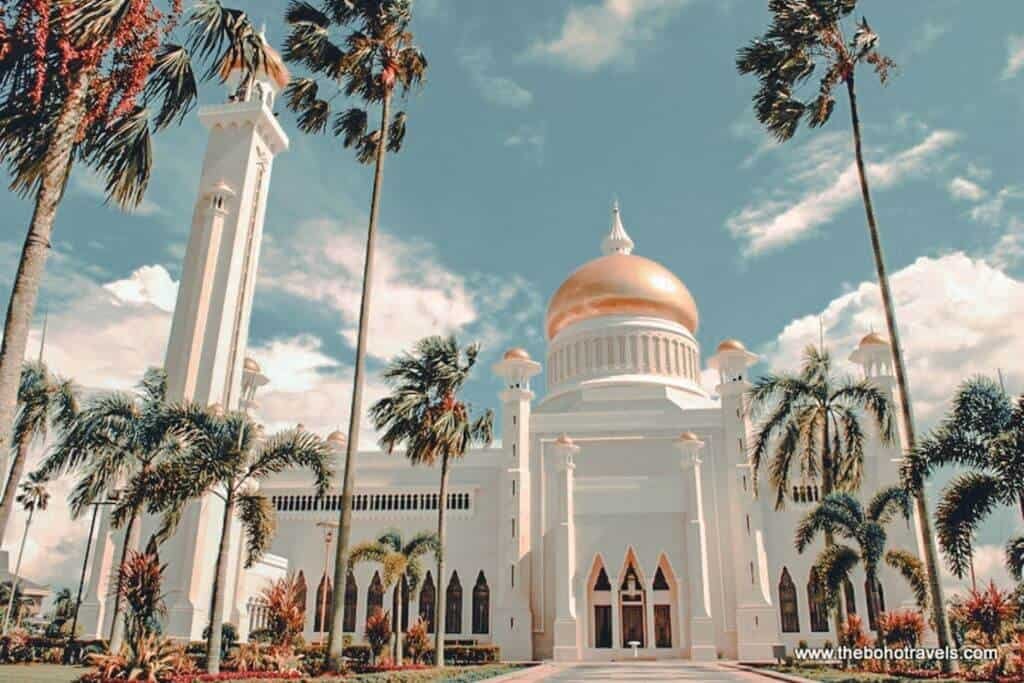
I visited in 2015 with my friend Justine. We went without a detailed plan and without high expectations. What we found was a country that was unlike anywhere else I’d been in the region.
So — is Brunei worth visiting? Here’s my honest answer.
⏳ Planning your Brunei trip? Use my favorite resources.
🛌 Hotels & Accommodation: Agoda & Booking.com
🏞️ Tours & Activities: GetYourGuide, Viator, and Klook.
🚗 Car Rental: DiscoverCars.com
*These are all the sites I personally use to book my trips, and if you use them, some of them will earn me a commission at no extra cost to you. This helps reduce the ever-increasing costs of keeping my site up. Thanks!
So, is Brunei Worth Visiting?
Yes. And I say that as someone who went in with almost no expectations and came back with more than I anticipated.
Brunei isn’t a destination that overwhelms you. It doesn’t have the beautiful chaos of Bangkok, the sensory overload of Ho Chi Minh City, or the layered cultural intensity of Bali. What it has is something quieter and harder to name — a sense of place that feels genuinely its own, a pace that slows you down, and people who make you feel welcome without trying to.
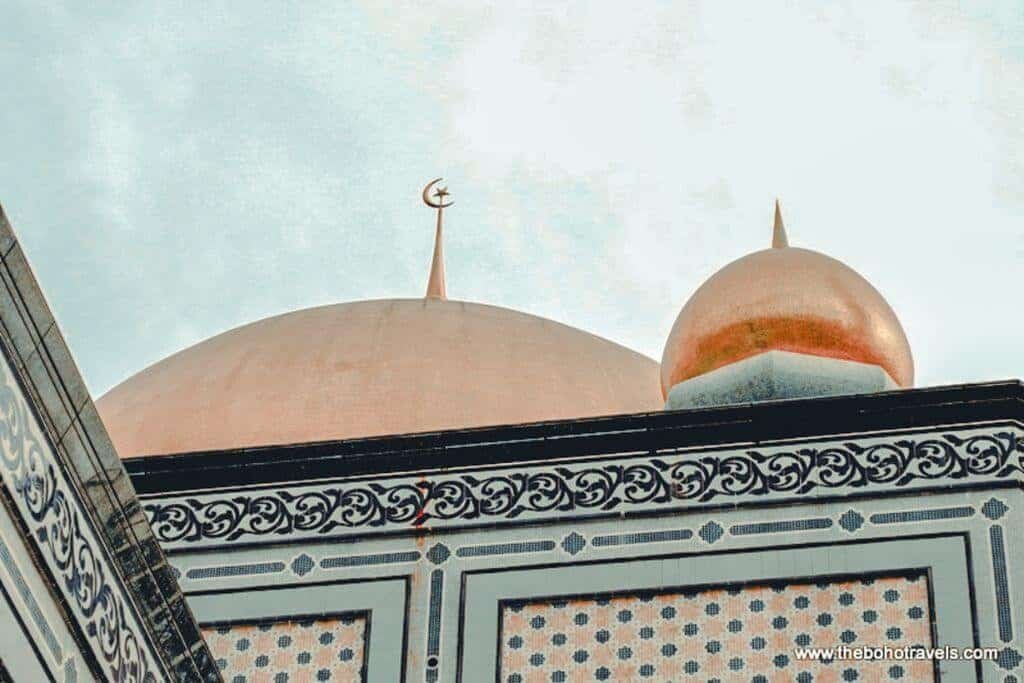
If you’re a traveler who measures a trip by how many things you ticked off a list, Brunei might frustrate you. But if you travel to understand — to get a sense of how people live, what a country values, what makes it different from everywhere else you’ve been — Brunei is a solid option, if you just give it a chance.
Reasons Brunei is Worth Visiting
1. The mosques are unlike anything else in Southeast Asia
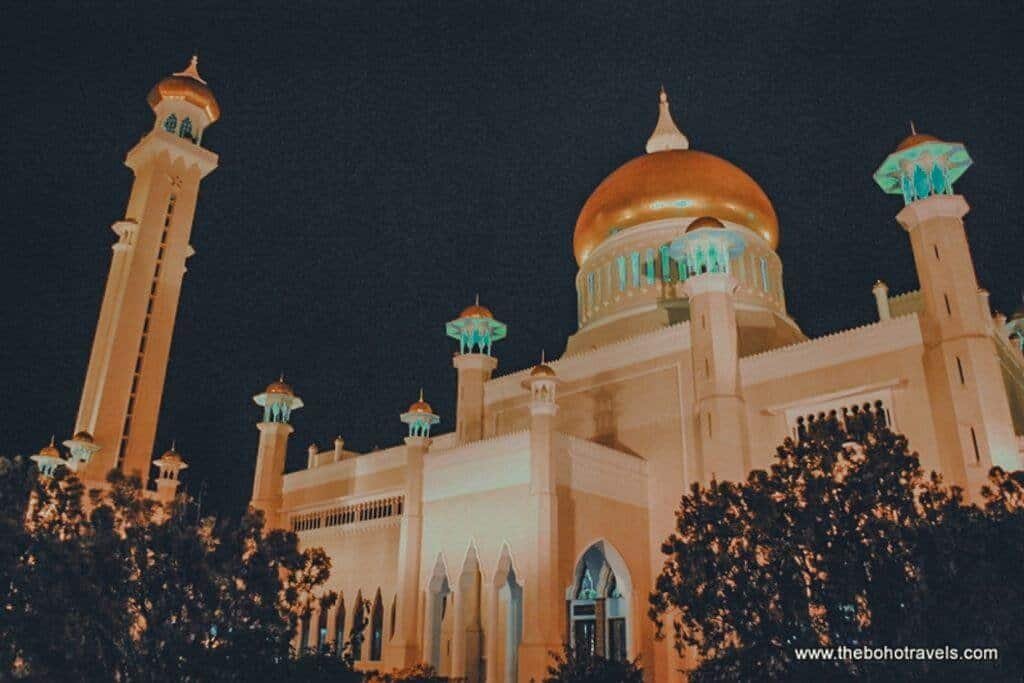
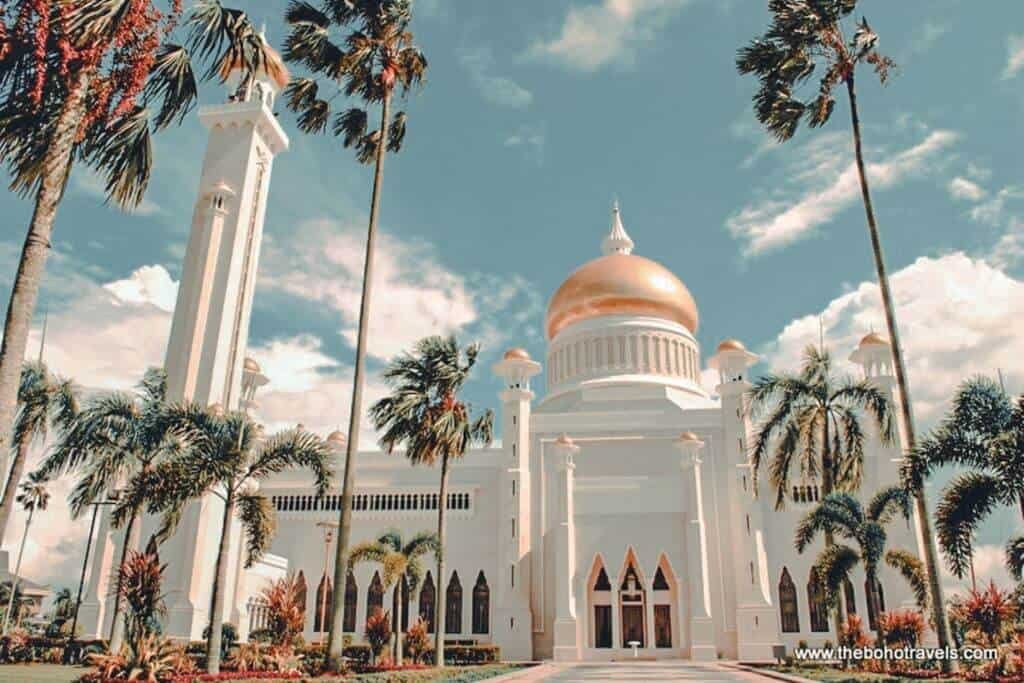
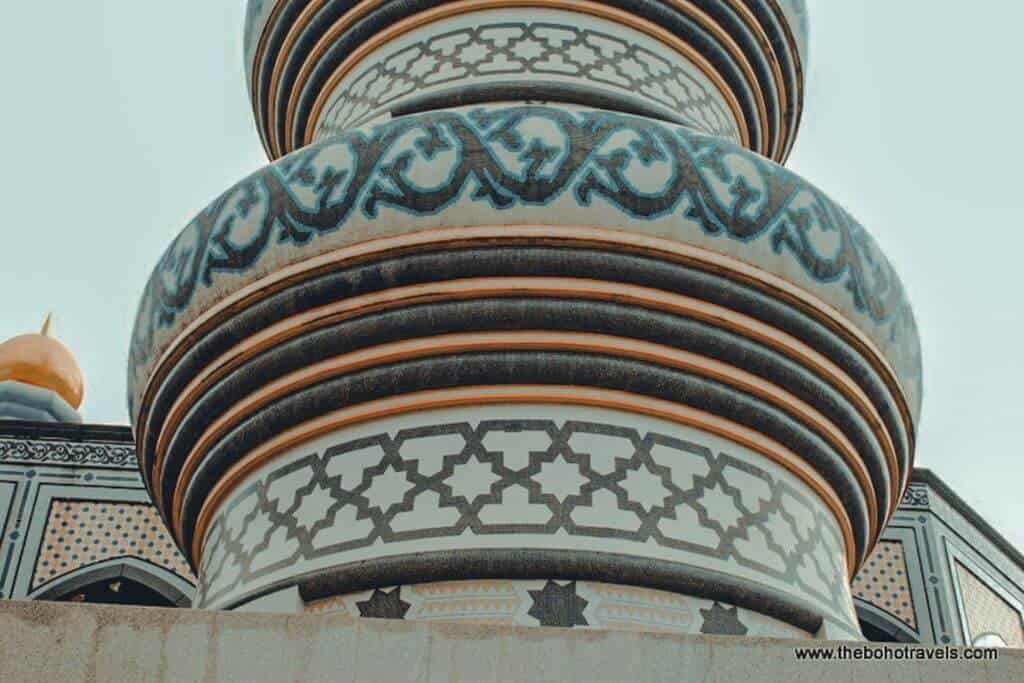
I’ve visited a lot of places in Southeast Asia. I’ve seen temples and palaces and monuments that stop you in your tracks. But the mosques in Brunei — Masjid Sultan Omar Ali Saifuddien and Jame’Asr Hassanil Bolkiah — are in a different category.
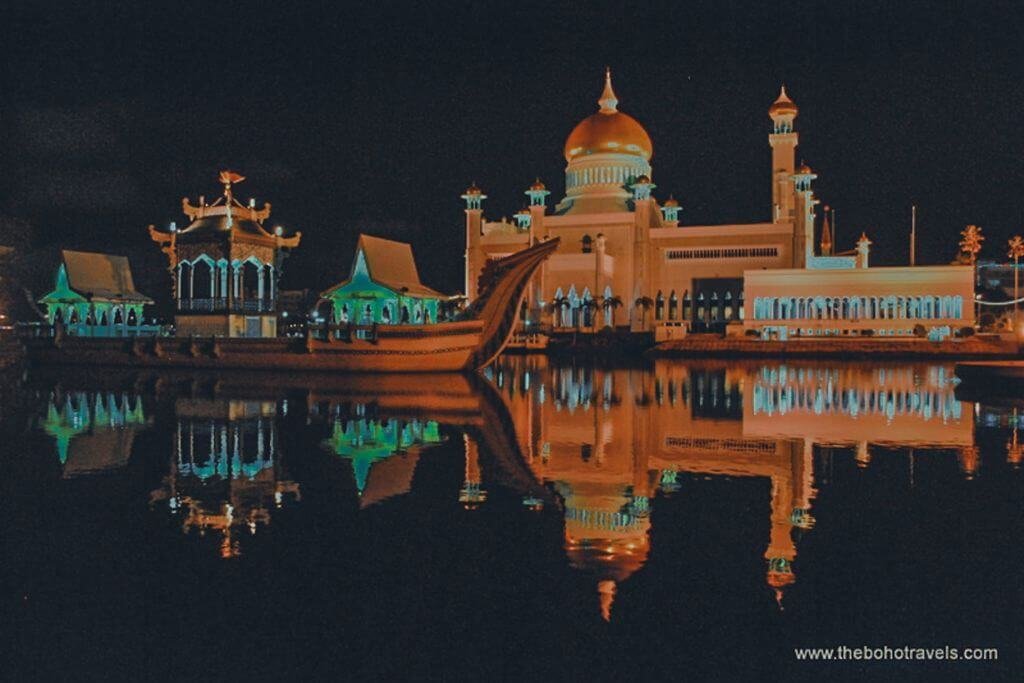
Masjid Sultan Omar Ali Saifuddien sits in the heart of Bandar Seri Begawan, surrounded by an artificial lagoon that doubles its beauty. At night, the gold dome and marble tower reflect off the water in a way that feels almost unreal. We kept coming back to it — not because we planned to, but because the grounds pull you in and make you want to stay.
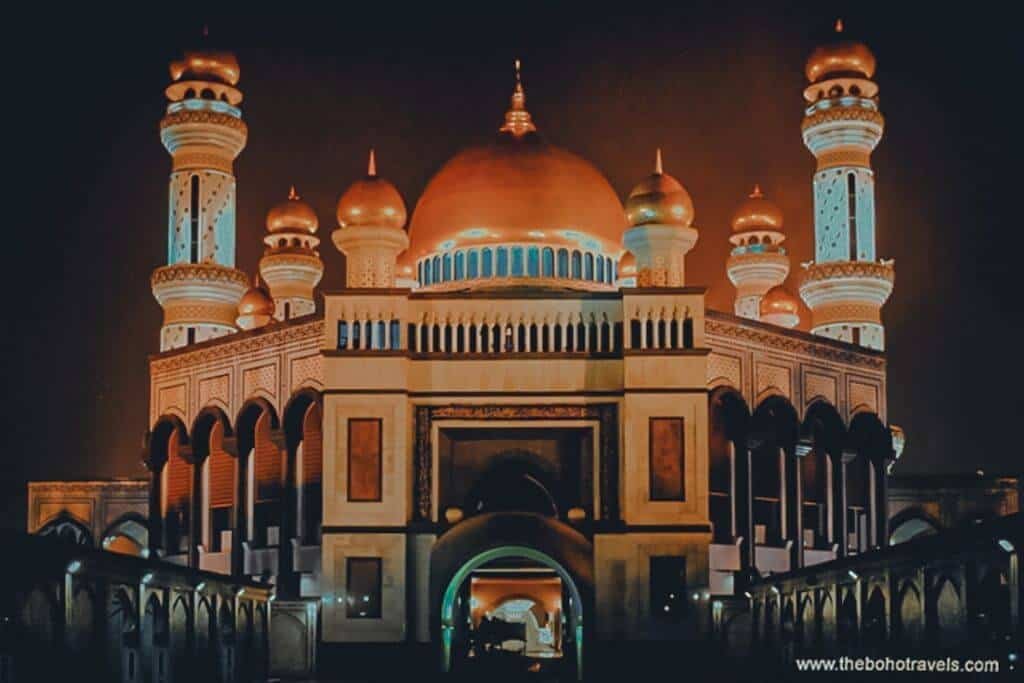
Jame’Asr Hassanil Bolkiah, the largest mosque in Brunei, crowned with 29 golden domes, carries the same quality — grand but not overwhelming, beautiful in a way that makes you want to slow down to catch and appreciate even the smallest details.
See both. See them twice — once in daylight, once at night. They’re worth it both times.
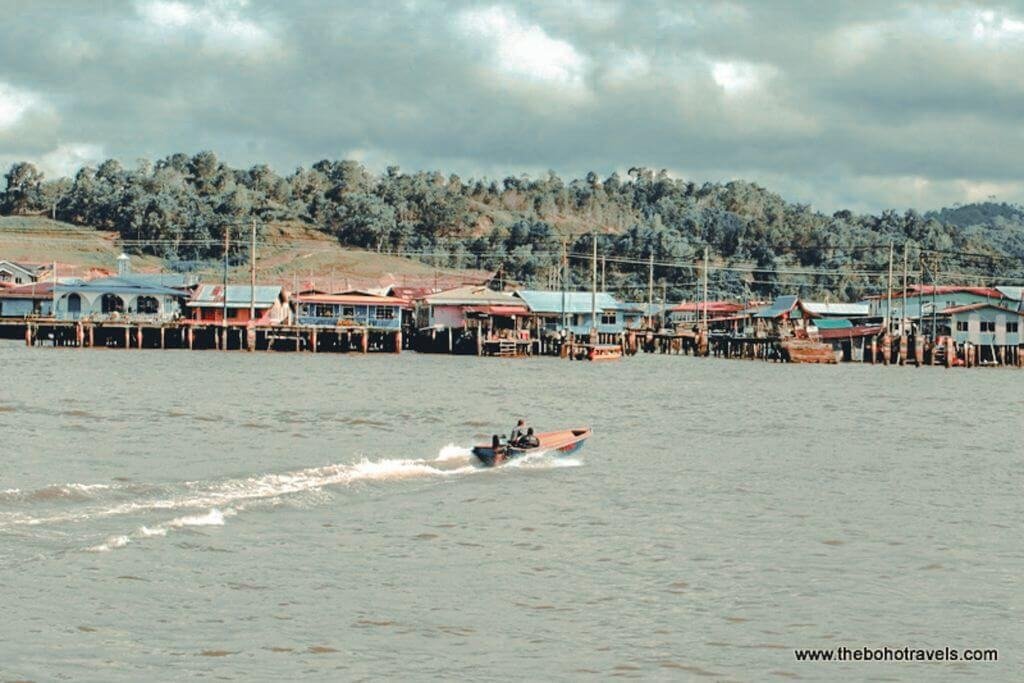
2. Kampong Ayer puts you inside a living, breathing community
Most tourist attractions put you outside looking in. Kampong Ayer is different.
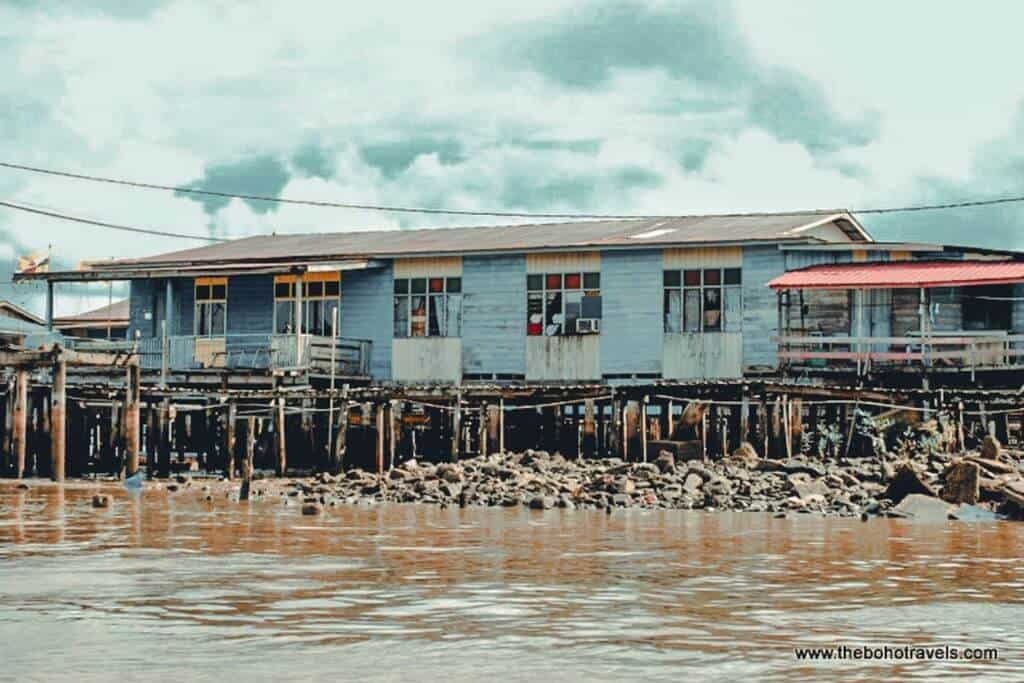
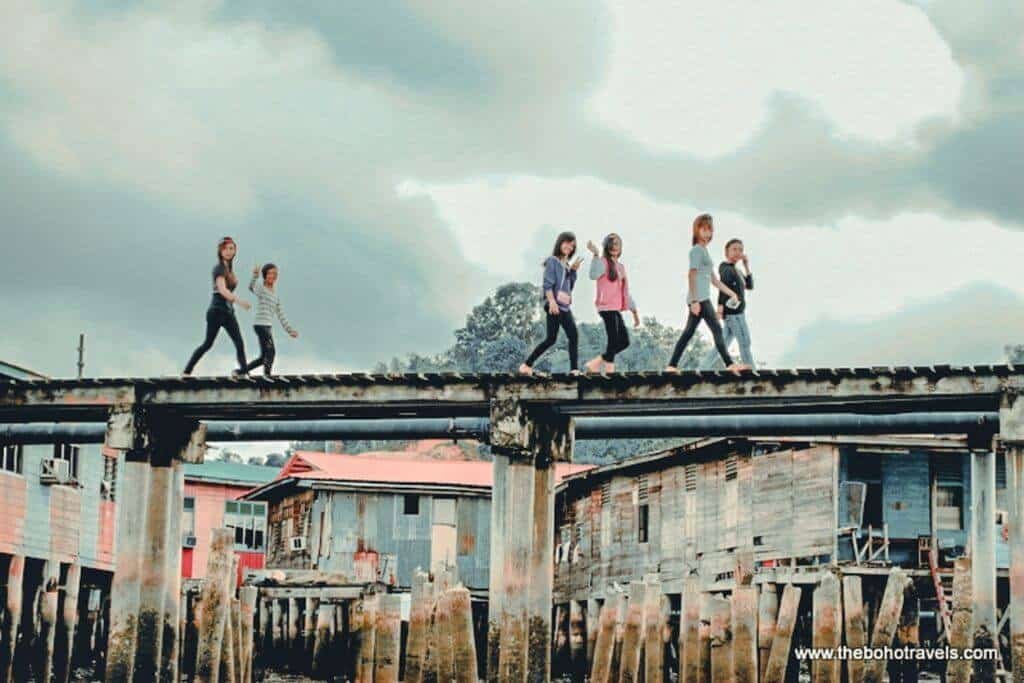
The water village built on stilts above the Brunei River is home to roughly 10% of Brunei’s population — real people, living real lives, going about their day while visitors cruise past in boats. We hired a guide through our driver Irwan and spent an hour navigating the stilts and footbridges. Our guide explained the history, pointed out the government-built mosques and schools and clinics, and showed us how the community sustains itself.
And then the kids started waving.
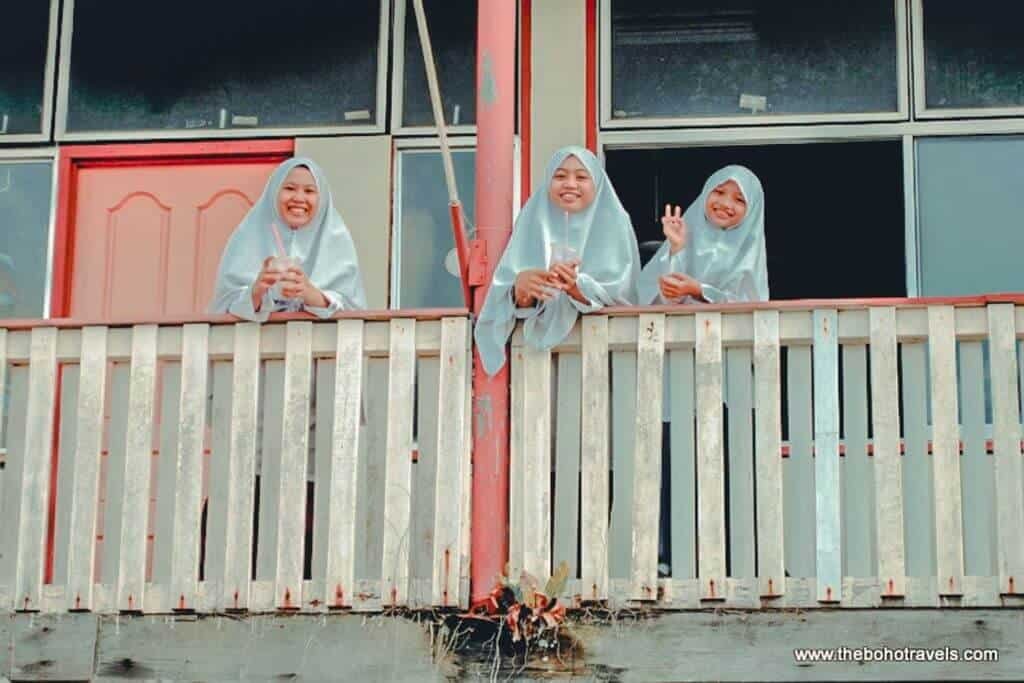
It sounds small. But there’s something about being welcomed by people who have no particular reason to welcome you — who are just genuinely happy you’re there. That moment is the one I remember the most from Brunei more than any other.
3. The food is affordable and more diverse than you’d expect
Brunei’s food scene reflects how multicultural the country actually is. We tried ambuyat — the national dish, a sticky sago palm staple eaten with a bamboo fork and a sour dipping sauce — at Aminah Arif. We had Indonesian food at Aneka Rasa and Japanese at Excapade. One of our lunches at Tamu Kianggeh market cost 1 BND for nasi katok — rice and fried chicken.
For a country with one of the highest standards of living in Southeast Asia, the food is remarkably affordable. And the variety tells you something about what Brunei actually is — a small, wealthy nation that quietly draws people from all over the world.
4. The people are what make it
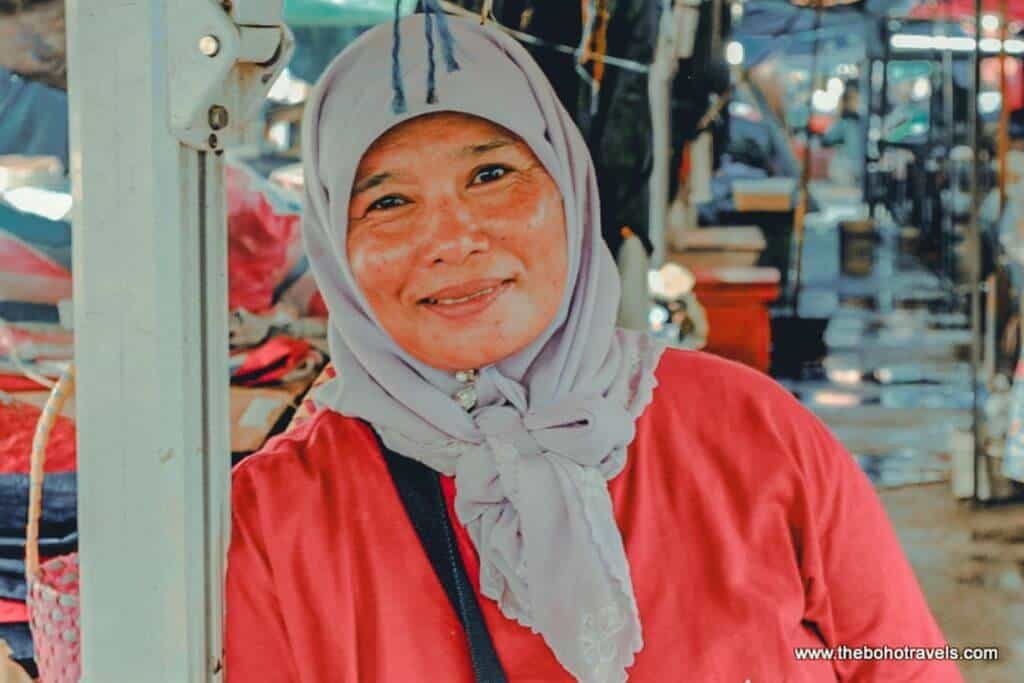
This is the one I didn’t expect going in, and the one I’d most want you to experience for yourself.
We met Robert and Hendri through the Couchsurfing community. They drove us around, brought us to places we never would have found on our own, and waited with us at the airport until our boarding time. Our Couchsurfing host took us to The Empire Hotel one evening — not because it was on any itinerary, just because it was worth seeing.
What struck me most about the people we met in Brunei — locals, vendors at Tamu Kianggeh, the kids waving from Kampong Ayer — was how different and how similar we all were at the same time. Different dress, different faith, different language. But the same warmth. The same humanity. Once you see past the surface differences, what matters is the kind of people they are. And the people we met in Brunei were genuinely good.
5. It’s one of the calmest countries in the region
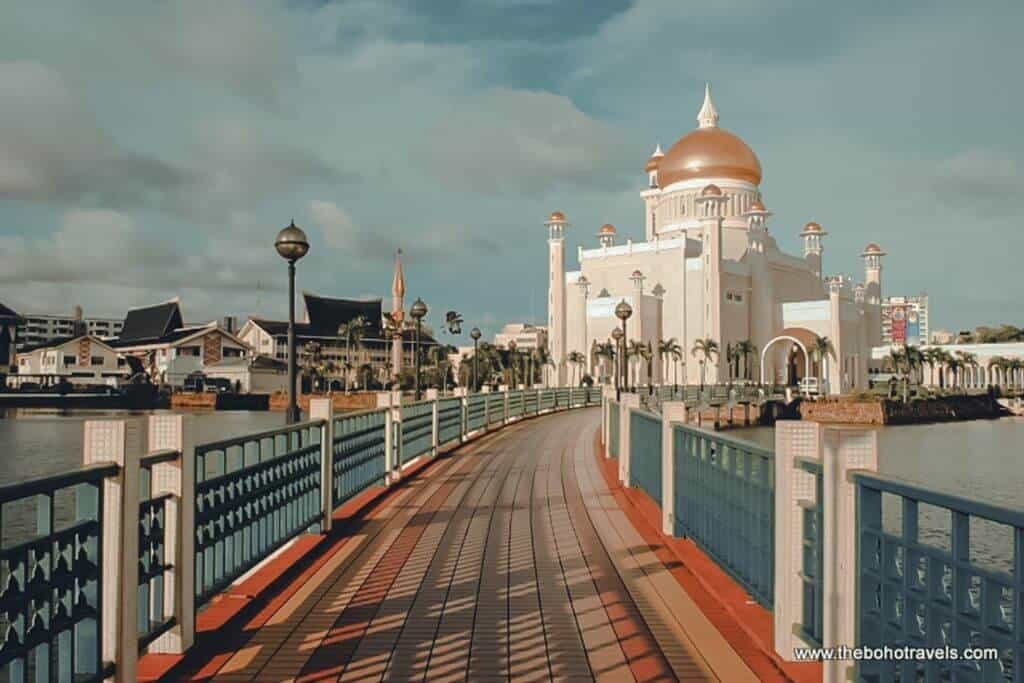
If you’ve been traveling Southeast Asia for a while — hopping between busy cities, crowded markets, and tourist-heavy destinations — Brunei feels like taking a breath.
It’s quieter. Slower. More conservative. The streets of Bandar Seri Begawan are clean and unhurried, the atmosphere around the mosques is peaceful in a way that feels intentional, and you rarely feel like you’re competing with other tourists for space.
That calm isn’t emptiness — it’s character. Brunei knows what it is, and it doesn’t need to shout about it.
6. It’s still largely undiscovered
Most people haven’t been to Brunei. Most people aren’t planning to go. That means when you visit, you’re not navigating crowds or waiting in lines or fighting for the best angle at a famous landmark. You’re just… there. In a country that most travelers fly over on the way to somewhere else.
There’s something special about that. Visiting a place before it becomes a destination is a privilege — and Brunei, for now, still offers that.
Beyond Bandar Seri Begawan: What I’m Going Back For
Two days in Brunei was enough to see the main sights. But it wasn’t enough to see Brunei.
I only discovered some of the country’s deeper cultural destinations after I got home — and that’s one of my bigger regrets from this trip. Because the Brunei I didn’t get to see is, in many ways, the Brunei I’d most want to experience.
The indigenous communities
In the Labi area of Belait District, about an hour from Bandar Seri Begawan, are two Iban longhouses open to visitors — Teraja and Mendaram Besar. Traditional weaving, ngajat dance performances, guided hikes through Borneo’s forests. Teraja also runs a homestay.
Given how much I’m interested in learning about and visiting indigenous communities, I wish I’d known sooner that it was possible to visit them in Brunei. I imagine that would’ve been an amazing experience.
Ulu Temburong National Park
A 50,000-hectare expanse of old-growth rainforest in a separate enclave of Brunei, accessible by speedboat. The canopy walkway sits 60 meters above the forest floor. We had three days and still didn’t make it. It’s at the top of my list for the next visit.
The cultural and art spaces in the city
Even within Bandar Seri Begawan, I walked past the Royal Regalia Museum without going in. I didn’t know about the Islamic Calligraphy and Art Study Centre at Yayasan Sultan Haji Hassanal Bolkiah until long after I’d left. Both are exactly the kind of places I’d seek out now.
If I’d known then what I know now, I would have spent less time figuring out where to go and more time crafting an itinerary built around culture — one that went beyond the city and into the parts of Brunei that most visitors never see.
That’s what I’m going back for.
💡 If this post has convinced you that Brunei belongs on your itinerary, here’s where to go next:
- 🕌 Brunei Tourist Spots — A full guide to the places worth seeing, from the mosques and Kampong Ayer to the cultural spots most visitors miss.
- 🚣 Things to Do in Brunei — Everything we did during our visit, plus the activities I wish we’d made time for.
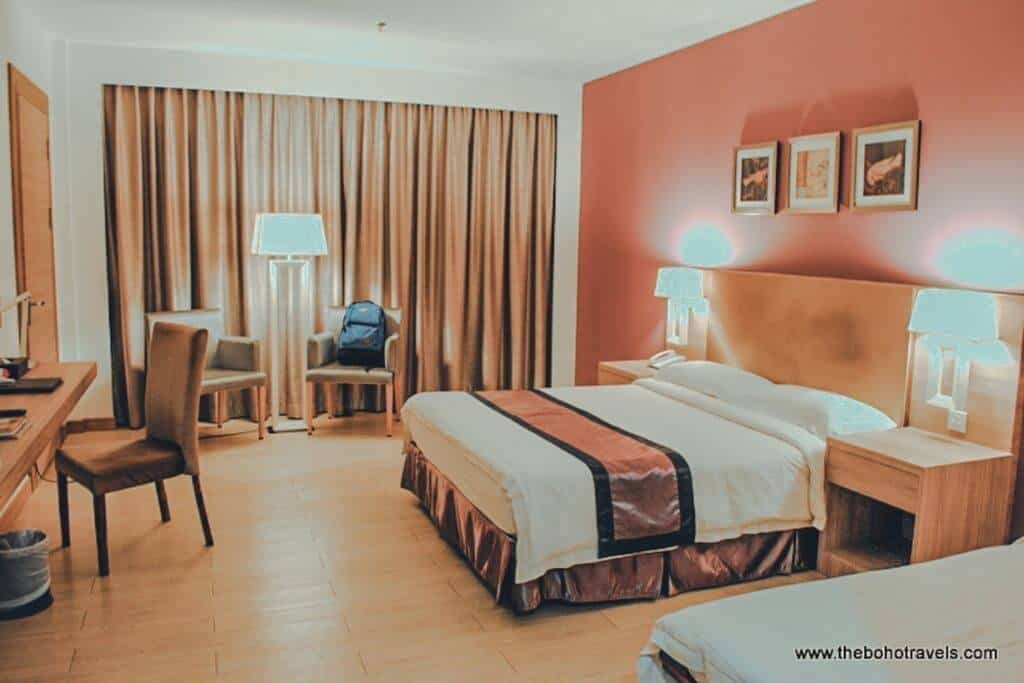
- 🏨 Where to Stay in Brunei — Where we stayed, and the best options across different budgets.
Should You Visit Brunei?
Not every destination is for every traveler, and Brunei is no exception.
Brunei is for you if:
- You’re interested in Islamic architecture, culture, and history
- You’re comfortable with slow, unhurried travel over packed itineraries
- You’re curious about a country most people overlook
Brunei probably isn’t for you if:
- Nightlife and going out for drinks is non-negotiable. Brunei is a dry country — alcohol is not sold publicly, and there are no bars or clubs. If that’s a significant part of how you travel, you’ll find it frustrating.
- You need a packed itinerary to feel like a trip was worth it. Two days covers the main sights comfortably, and there isn’t much beyond that in the city center.
That said — I’d encourage anyone on the fence to go with curiosity rather than skepticism. Sometimes the destinations that seem like they have the least to offer are the ones that surprise you most.
FAQs: Is Brunei Worth Visiting?
Do you need a visa for Brunei?
It depends on your nationality. Many countries enjoy visa-free entry for stays of 14 to 90 days — as a Philippine passport holder, I could enter visa-free for up to 14 days. All visitors are required to complete a mandatory E-Arrival Card before flying, regardless of visa status. Check the official Brunei Tourism visa page for the most current requirements for your passport.
How many days in Brunei is enough?
Two days cover the main sights in Bandar Seri Begawan comfortably — the mosques, Kampong Ayer, Tamu Kianggeh, and a river cruise. If you want to add Ulu Temburong National Park, build in a third day. It’s in a separate district accessible by speedboat and deserves its own full day. For a detailed breakdown of how to spend your time, head to the things to do in Brunei guide.
When is the best time to visit Brunei?
January to May is Brunei’s drier season — less rainfall, lower humidity, more comfortable for sightseeing and outdoor activities. We visited outside this window and lost several evenings to rain. One exception worth planning around: Hari Raya Aidilfitri, when Istana Nurul Iman opens to the public — the only time of year you can visit the palace grounds.
Is Brunei expensive to visit?
Less than you’d expect. Food is affordable — one of our lunches at Tamu Kianggeh cost just 1 BND. Entry to most attractions is free or very low cost. Where you’ll spend more is on transport, since hiring a private car is the most practical way to get around. Overall, Brunei is surprisingly competitive with other Southeast Asian destinations on cost.
Is Brunei safe for tourists?
Yes — it’s one of the safest countries in Southeast Asia. Violent crime is extremely low, the streets are quiet and well-maintained, and we walked around in the evenings without any issues. Brunei does have strict laws around public behavior — public displays of affection are frowned upon, and criticism of the Sultan or the royal family is illegal. Respect local customs, and you’ll have no problems.
The Wrap-Up: Is Brunei Worth Visiting?
Yes, Brunei is worth visiting.
I didn’t go to Brunei for the mosques — I went because I was curious about a country most people couldn’t place on a map, and because I had the chance to see it with people who actually lived there. What I found was a place that quietly exceeded every low expectation I brought with me.
The mosques were stunning. My experience in Kampong Ayer was moving. The food was good, and the people were genuinely warm. And somewhere between the kids waving from the water village and a late evening walk around The Empire Hotel with our Couchsurfing hosts, Brunei stopped being a country I was just ticking off a list and became one I actually understood a little.
I returned from my trip wanting more — more time in the cultural spots I missed, more conversations with locals, a better-researched and structured itinerary that goes beyond Bandar Seri Begawan into the parts of the country most visitors don’t even consider exploring.
That’s the thing about Brunei. It doesn’t announce itself. It doesn’t try to compete with the louder, more famous destinations around it. It just is what it is — calm, layered, and full of more than first glance suggests.
If you’re on the fence, I’d say go. Give it two days, keep your plans loose, and let the country show you what it wants to. You might come back with more than you expected too.