Bohol Tourist Spots: A First-Timer’s Guide

Jump to: Bohol Tourist Spots | Where to Stay in Bohol | Plan Your Trip | FAQs
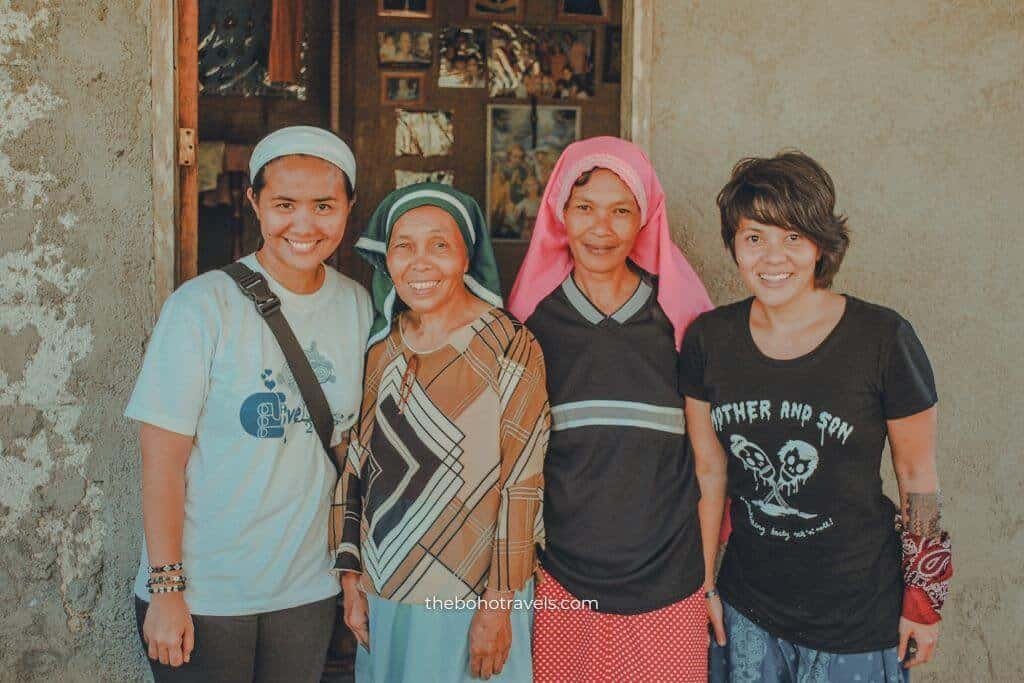
In 2012, my friend Tara and I traveled across the Philippines to visit indigenous communities, and Bohol was one of our stops. It was there that we tracked down the Eskaya tribe in Duero, an indigenous community in the hills of southern Bohol with their own script and oral traditions that most travelers don’t know exist.
It was there that we experienced (yet again) Filipino hospitality when we stayed for a couple of nights with our couchsurfing host family in Tagbilaran. Before we took our ferry back to Cebu on our way to Leyte, where we’d meet our other couchsurfing host, Fernz, to go together to Samar, we also visited the most famous of the Bohol tourist spots, Chocolate Hills.
Since then, I’ve been back to Bohol and seen the smallest primates in the tarsier sanctuary, floated down the Loboc River and watched folk dancers perform while onboard, walked through the Bilar Man-Made Forest, and stood at the Blood Compact Shrine trying to picture what 1565 actually looked like.
Whether you’re still deciding whether Bohol is worth a stop or already deep in the logistics, this is the best place to begin or continue your travel planning. Bohol is one of the islands I’d point almost anyone to when building a Philippines itinerary. Read on to see why.
⏳ Planning your trip? Here’s what I use.
✈️ Flights: Trip.com
🚂 Buses and Trains: 12go
🚗 Car Rental: Klook
🛌 Hotels & Accommodations: Agoda.com and Booking.com
🏞️ Tours and Experiences: Klook, GetYourGuide, or Viator
These are the platforms I personally use when booking my own trips. If you book through them, some may earn me a small commission at no extra cost to you — it helps keep this site running. Thanks!
🗺️ Top Bohol Tourist Spots
1. Chocolate Hills
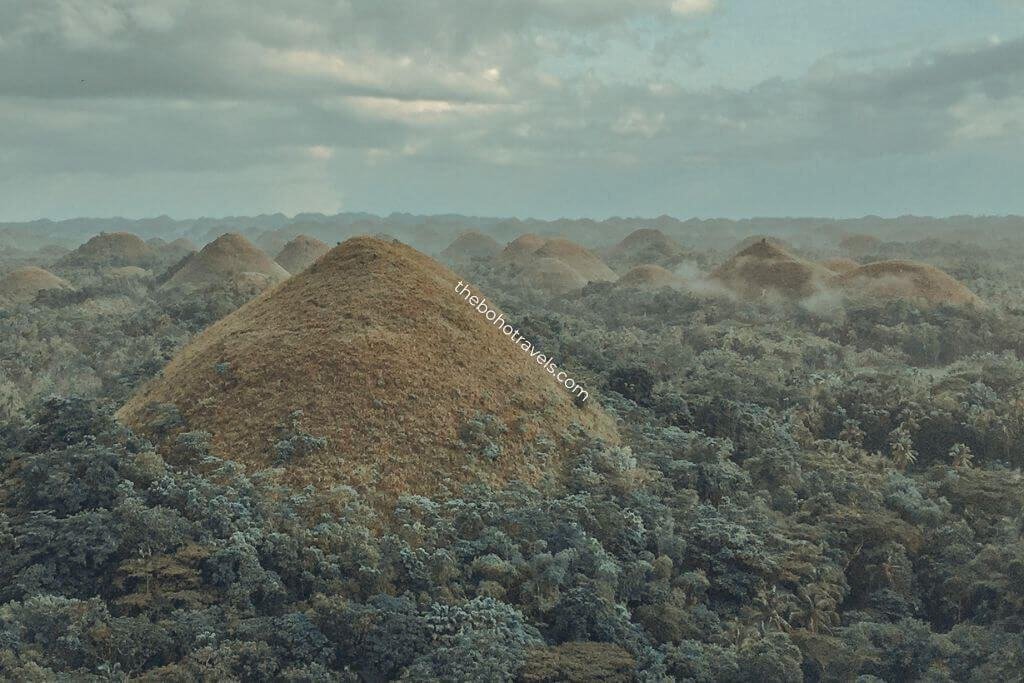
There are over 1,200 of roughly the same conical shape, spread across a valley in Carmen. You’ll see them in vivid green during the wet season but, in the dry season, the grass turns brown — looking like mounds of chocolate. Thus, the name Chocolate Hills.
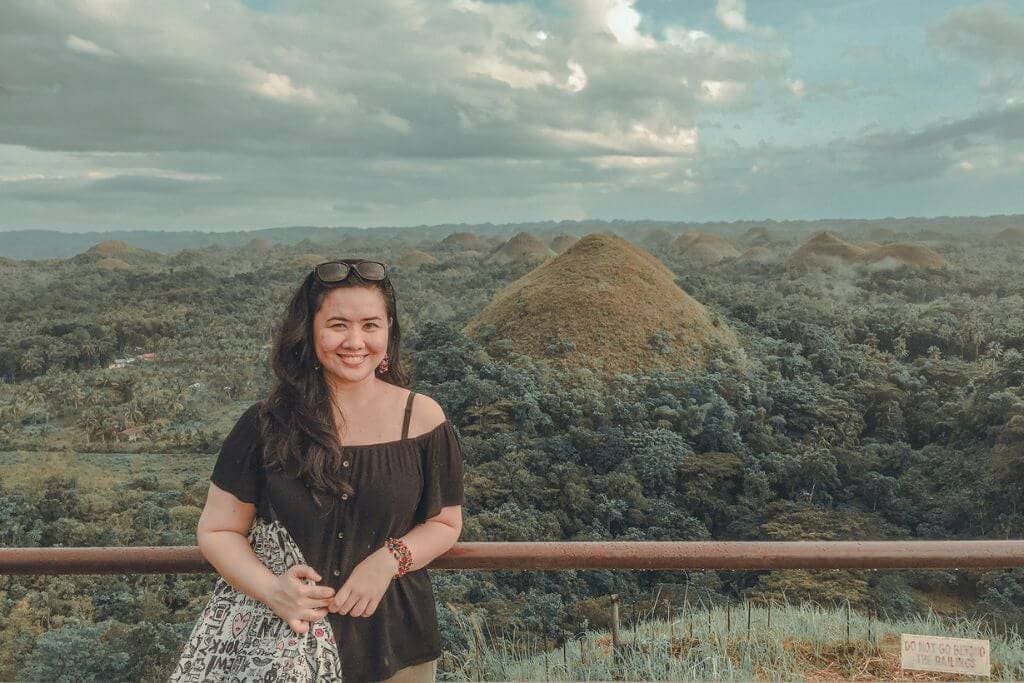
Growing up only reading about it, seeing the Chocolate Hills for the first time (and the next) was surreal. Having a photo with the Chocolate Hills behind you is like showing people you’ve been to Bohol without actually saying that you’ve been there. They’re not just famous in the Philippines — they’re one of those landmarks that people recognize around the world.
The main viewpoint in Carmen is the most accessible. If you want fewer people and more room to admire its beauty, there are secondary viewpoints worth finding if you have your own transport.
What I’d love to do the next time I visit is to ride around the hills or do a zipline above them. That’s very much on my to-experience list. I wrote about the reality of the standard tourist experience in The 10-Minute Chocolate Hills Experience — worth reading before you go.
👉 Book a highly rated countryside tour on Klook or GetYourGuide to visit the top Bohol tourist spots in one day.
2. Loboc River

I’ll be honest — I wouldn’t even have thought to do this if I wasn’t with my companion back then. My first instinct was that it felt too touristy, that there were more exciting things to do in Bohol.
But because it was something that she wanted to experience together, we added it to our itinerary. And I’m glad we did.
The Loboc River is narrow and green, nipa palms along the banks, the occasional village appearing through the trees. The floating bamboo raft moves slowly. It’s an unhurried hour in the middle of a travel day, and if you let it, it gives you more than you came for.
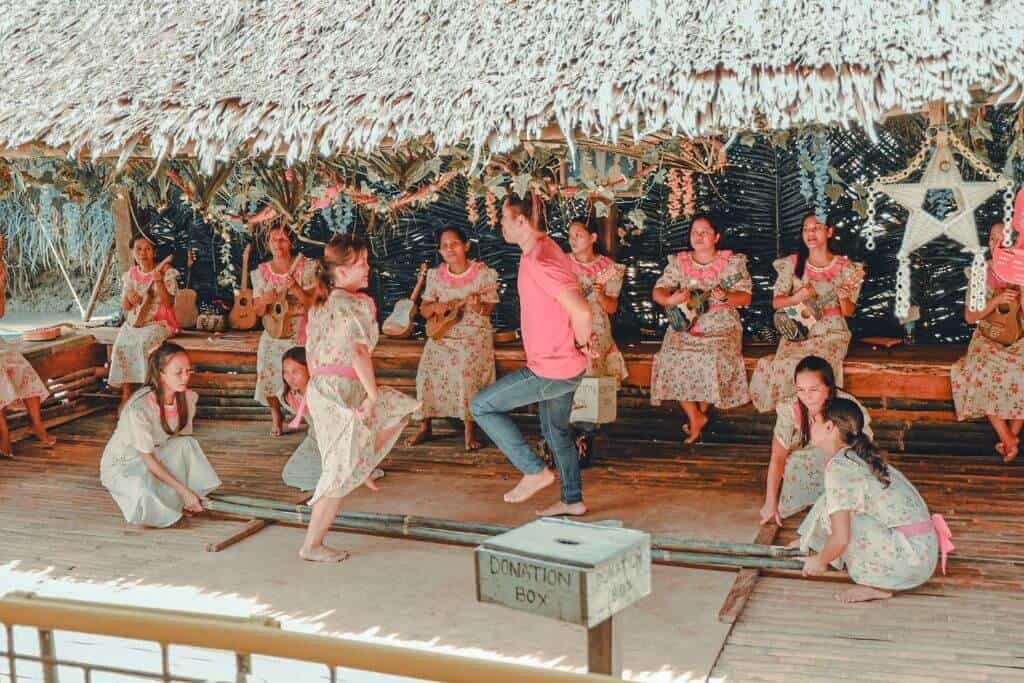
In one of the stops along the river, there were folk performers who danced and sang for the passing boats. Many people visit the Philippines because of our gorgeous beaches and natural resources. And guests who cruise along the Loboc River may not have the chance to have a taste of the Philippines’ rich culture if not for this experience. It’s a reminder that there’s more to the Philippines than our beaches and landscapes. Our people, our art, our culture — those are worth visiting too.
🧳 Planning your Bohol trip? Before you go, grab the free Philippines packing checklist — everything you need to pack for an island trip, in one place.
3. Bilar Man-Made Forest
A stretch of tall mahogany trees planted by the government decades ago, dense enough that the road goes dark in the middle of the day. It sits along the road between Loboc and the Chocolate Hills — if you’re on a tour, this is most likely already part of your itinerary.
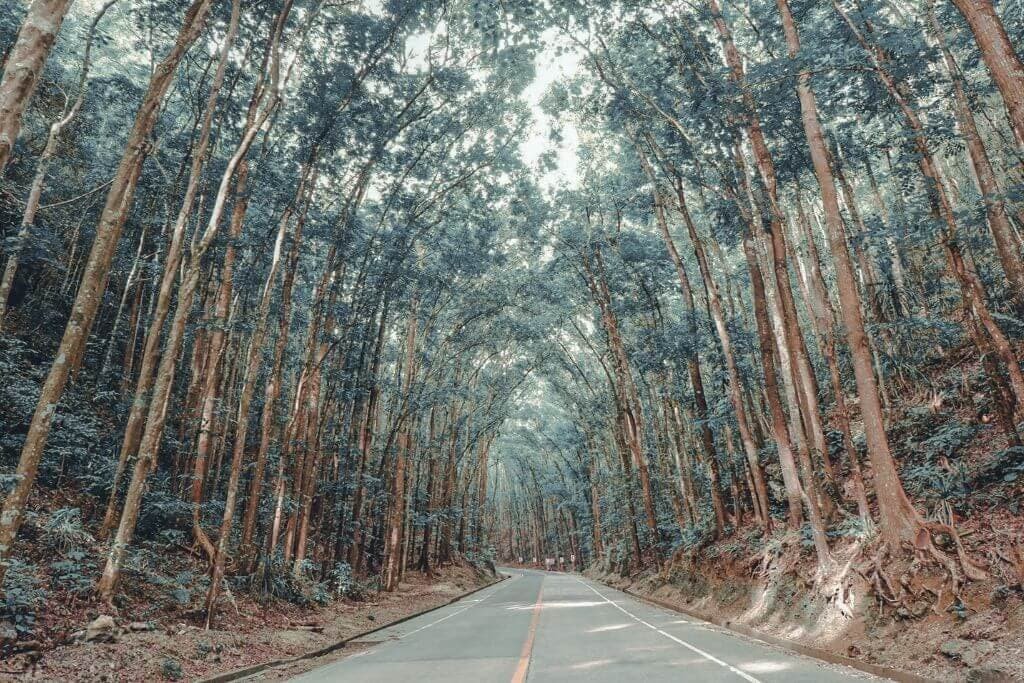
It’s different from everything else you’ll see in Bohol, and that’s reason enough to stop. A few minutes here, a breath of cool air (a genuine reprieve if you’re visiting during the hot months), and a photo surrounded by the mahogany trees with whoever you’re traveling with.
4. Baclayon Church
One of the oldest stone churches in the Philippines, Baclayon Church was built by Jesuit missionaries in the late 1500s. It is famous for its massive coral stone walls believed to be cemented together by using millions of egg whites as a binding mortar. It sits near the coast in Baclayon, about eight kilometers from Tagbilaran. If you’re on a tour, this is likely part of the itinerary.
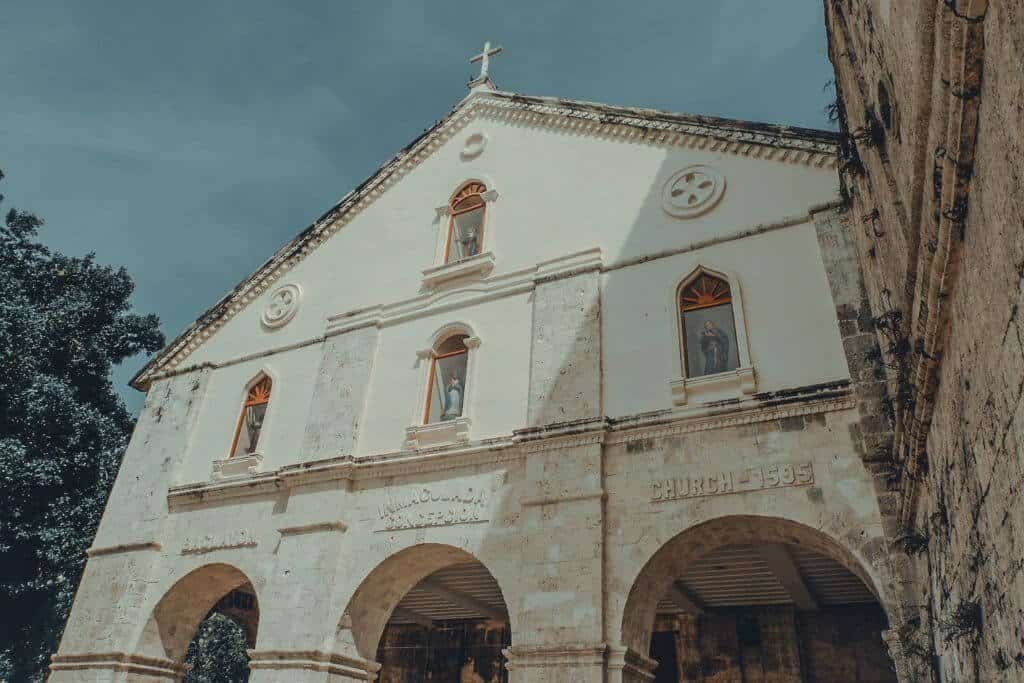
I liked our visit because of the history — one of the things I love about exploring the Philippines is stopping at old churches. The Philippines is primarily a Catholic country, and the churches hold a lot of interesting stories. I also like stopping to say a small prayer.
That said, it’s not as grand as some of the other old churches around the country. If history and old churches aren’t your thing, this one is skippable. The church was badly damaged in the 2013 earthquake, and restoration has been ongoing since, so the state of the interior may vary depending on when you visit.
5. Blood Compact Shrine
In Bool, Tagbilaran, this is where Spanish explorer Miguel López de Legazpi and Bohol chieftain Datu Sikatuna performed a blood compact in 1565 — one of the earliest recorded treaties between Filipinos and Europeans. The bronze monument of the two men marks the spot. If you’re on a tour, this is likely on the itinerary.
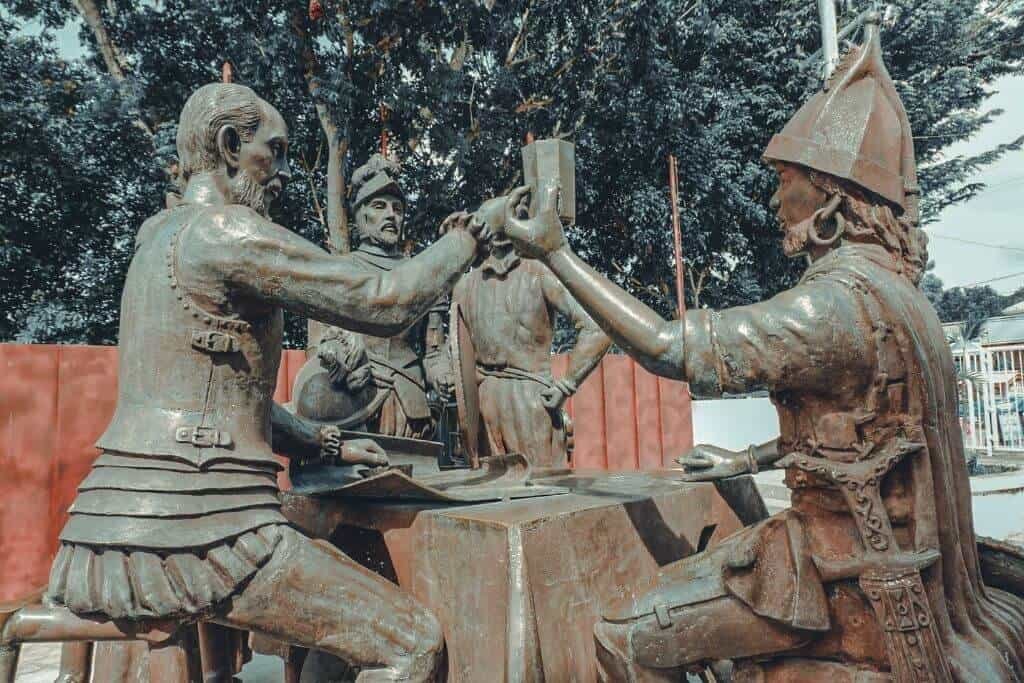
I like history, and there’s a certain “this is where it happened” feeling when you’re standing there. But I wouldn’t spend more than five minutes here. If history isn’t your thing, this one is skippable. It makes sense to pair it with Baclayon Church — both are near Tagbilaran and fit into the same morning.
6. Philippine Tarsier Sanctuary
A visit to the tarsier sanctuary isn’t for everyone. I’d encourage first-time visitors to include this only if they’re genuinely interested in seeing tarsiers in their natural habitat and can keep a respectful distance and stay quiet.
The tarsiers are very shy and can be disturbed by even the slightest noise. As someone who gets overstimulated by loud noises myself, I understand how important it is to respect their boundaries. If you can do that — practice empathy while you’re there — you’ll get to witness something tender and quietly extraordinary.
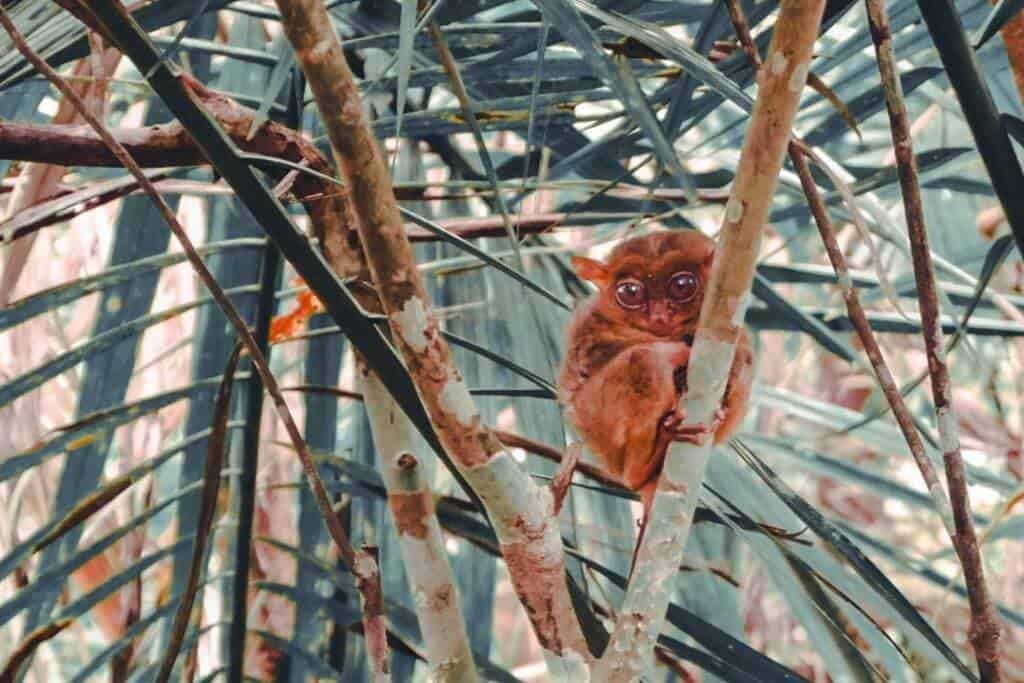
Tarsiers are small enough to fit in your palm and have eyes too large for their skull. They’re also endangered, and not all sanctuaries treat them the same way.
The Philippine Tarsier Sanctuary in Corella, run by the Philippine Tarsier Foundation, is the one we visited, and I think is worth going to. The animals live in a semi-wild environment; you follow a path through the trees, and you spot them clinging to branches at eye level.
Remember to keep your distance, stay quiet, and skip the flash. If you are unable to handle that, please don’t include this in your itinerary.
7. Panglao Island
Panglao is connected to Bohol by two bridges and is where you go if you love beaches. I’ve been to a lot of gorgeous beaches around the Philippines — Boracay, Palawan, Cebu, Camiguin — and Panglao’s beaches are among the best.
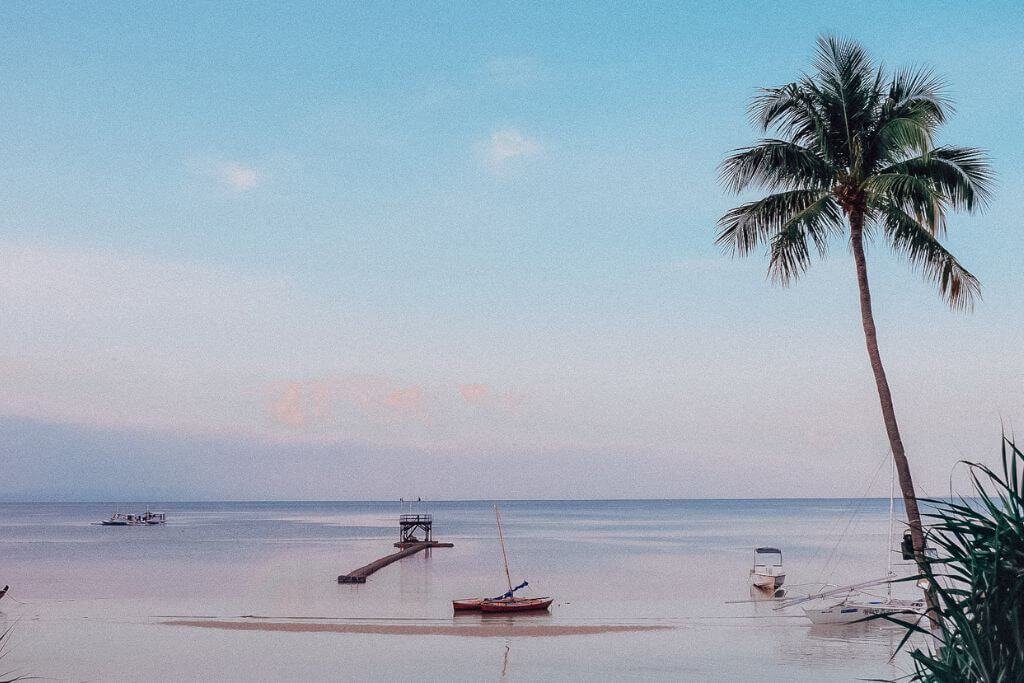
Alona Beach is the most developed stretch — dive shops, resorts, restaurants, busy in peak season. If that energy is what you’re after, then this is the place to be. Doljo Beach on the western side is quieter. I stayed at Bellevue Resort there, and the difference in pace from Alona is significant — fewer people, a longer stretch of beach, and a quiet and slow morning — my favorite way of starting my day.
8. Eskaya Tribe in Duero
The Eskaya are one of the least-documented indigenous groups in the Philippines. They live in the hills of Duero in southern Bohol and have their own language, script, and oral traditions — things still being maintained and passed down despite how fast the world around them has changed. Most Bohol itineraries don’t go this far south, which means most visitors never know this community exists.
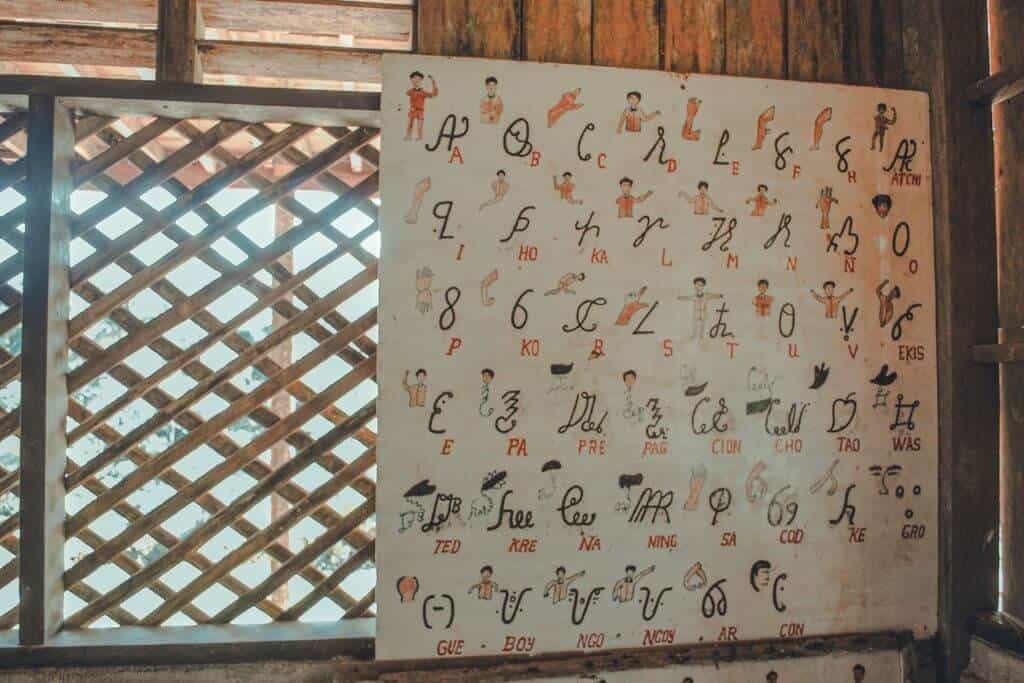
If you’re into culture and don’t mind a bit of off-the-beaten-path travel, a visit to the Eskaya is very much worth it. Visiting indigenous communities is one of the things I love most about traveling — they give us so much insight into our people and our history. I’m fascinated by their uniqueness, but I’m equally interested in how they’ve kept their identity, traditions, art, and culture intact.
I visited in 2012. It’s the trip that started this blog. If you want to read about it: Meeting the Eskaya Tribe in Duero, Bohol. I’ll be honest — we showed up unannounced that first time. The community was warm and welcoming, as Boholanos tend to be, but I could tell they hadn’t had time to prepare. It’s something I’d do differently now. A visit to Duero requires advance coordination — this is not a drop-in stop. Reach out to the municipal office or local cultural organizations for current guidance.
🧳 Planning your Bohol trip? Before you go, grab the free Philippines packing checklist — everything you need to pack for an island trip, in one place.
📝 Still on my Bohol list: A few spots I haven’t made it to yet but plan to on the next trip — Rajah Sikatuna Protected Landscape, Balicasag Island, and Virgin Island off Panglao’s coast. I’ll add firsthand accounts when I get there.
🛌 Where to Stay in Bohol
If Panglao is in your itinerary, I recommend making that your base. Most of the tourist spots in the countryside can be covered in a single day. Our driver picked us up on arrival and brought us to Chocolate Hills, Loboc River, Bilar Man-Made Forest, etc; by the end of the day we were checked in at our hotel in Panglao and stayed there until it was time to leave for Cebu.
Bellevue Resort
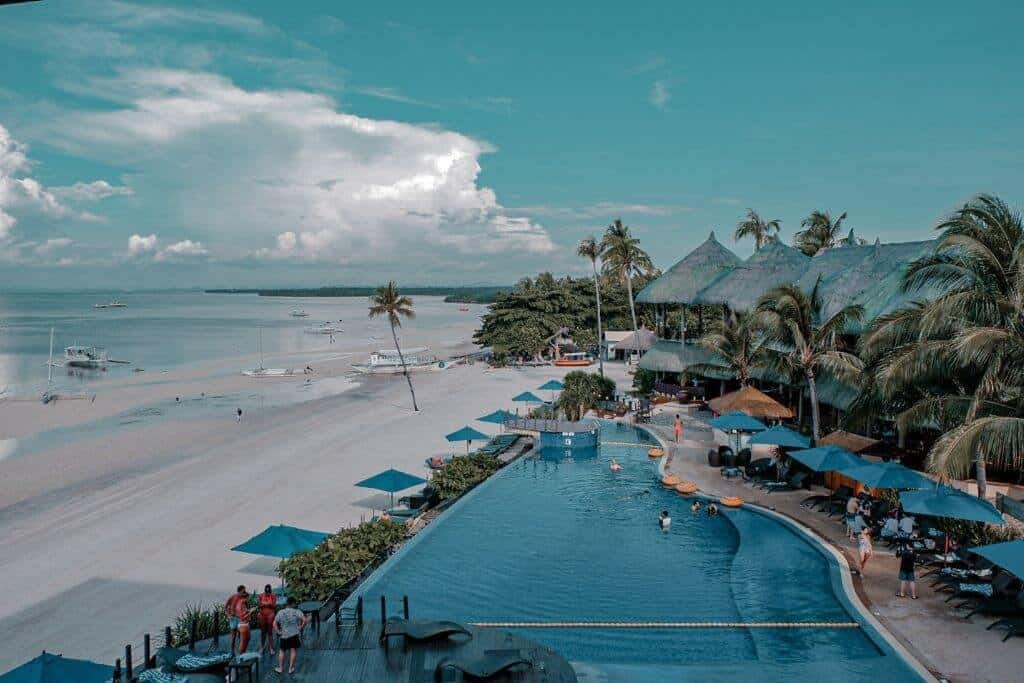
I stayed at Bellevue Resort on Doljo Beach — a luxury eco-friendly resort on the quieter western side of Panglao. The room was spacious, the beds were comfortable, the balcony views were gorgeous. There was even a live band playing in the hotel grounds when we stayed. The beach bar is a good place to settle in while you’re waiting for a flight or just winding down after a full day. The beach is relaxing, the food is great, and the drinks aren’t bad either. Service is warm and attentive, which you’ll find is pretty standard at high-end resorts in the Philippines. Bellevue does it well. See current rates on Agoda.
A few other options worth knowing about:
- Amorita Resort — a clifftop boutique resort with a strong reputation for service and views. See current rates.
- Bohol Bee Farm Hotel — an eco-resort known for its organic food and relaxed, sustainable atmosphere. The restaurant is worth a visit even if you don’t stay. See current rates.
- Abraham Bohol — an affordable property getting strong reviews for value. See current rates.
📝 Plan Your Bohol Trip
Getting to Bohol
Bohol’s main airport is Bohol-Panglao International Airport, with direct flights from Manila and Cebu. Flight time from Manila is roughly an hour and fifteen minutes.
You can also arrive by fast ferry from Cebu City — the crossing takes about two hours and runs multiple times daily. Operators include Oceanjet and Lite Ferries. For current schedules and booking, 12Go covers most routes. Ferries arrive at the Tagbilaran port.
I’ve arrived and left Bohol both ways, and neither is as daunting as it might sound. If you’ve never ridden a ferry in the Philippines, the idea of rough seas and a long journey can feel intimidating — I know that feeling from my first ferry ride from Manila to Bataan. The Cebu-Bohol crossing is manageable, and the views along the way make it worth it.
Getting Around
You can hire a tricycle for short distances within towns, or ride the jeepney or take the bus for longer routes.
If you’re a first-time visitor who wants to explore multiple Bohol tourist spots in one day, I recommend hiring a local driver for the day instead. I’ve experienced both commuting and hiring a driver, and the latter is easier — drivers typically know the route well and take the guesswork out of the day. It makes traveling much more comfortable.
If you’re comfortable on two wheels, a motorbike or scooter gives you the most flexibility, especially for reaching places like Duero or the quieter parts of Panglao.
How Many Days to Spend
If you’re island-hopping around the Philippines, three to four days in Bohol is a reasonable amount of time to work with. This gives you enough room to explore the tourist spots in the countryside, enjoy a proper beach day in Panglao, and even squeeze in diving in Balicasag. For the longer answer on whether Bohol deserves a dedicated trip or fits better as part of a multi-island route, the Bohol travel guide covers that directly.
💭 FAQs: Bohol Tourist Spots
Is Bohol safe for tourists?
Bohol is generally considered one of the safer destinations in the Philippines. The usual common-sense travel precautions apply — watch your belongings in crowded areas, use reputable transport, and check travel advisories before you go.
What is the best time to visit Bohol?
The dry season runs roughly from November to May, which is when most tourists visit. The Chocolate Hills are brown during this period — that’s the look most photos show. The wet season (June to October) brings green hills and fewer crowds, but also the chance of rain. Either season works; it depends on what trade-offs matter to you.
How many days do you need in Bohol?
If you’re island-hopping around the Philippines, three to four days is a reasonable amount of time. This gives you enough room to explore the tourist spots in the countryside, enjoy a proper beach day in Panglao, and even squeeze in diving in Balicasag.
Is Bohol worth visiting?
Yes. Bohol has a mix of natural landmarks, history, indigenous culture, and some of the best beaches in the Philippines. Whether you have a day, two, or four, it’s a destination that’s worth your energy and rewards going deeper if you have the time. For the longer answer, I wrote about it here: Is Bohol Worth Visiting?
Can you do Bohol in one day?
Yes. If you’re coming from Cebu, you can do a day trip that covers the Chocolate Hills, Loboc River, and a few of the churches before heading back. But one day is rushed, and you’d be skipping Panglao entirely. If you can stay at least two to three nights, you’ll get a much better feel for the island.
Do you need a tour to visit Bohol?
Not really. If you’re comfortable figuring out transport on your own, you can get around independently. We’ve done it before, and it’s very much doable. But for a first-time visitor who wants to cover multiple spots in one day, hiring a local driver makes the day significantly easier. You can always explore more independently after that.
💌 The Wrap-Up: Bohol Tourist Spots
Bohol is one of those destinations that stays with you longer than the trip itself.
I first came here in 2012 as part of a trip that changed how I travel and why I document. I’ve been back since, and every visit adds another layer — another spot I didn’t make it to last time, another reason to return.
If you’re building a Philippines itinerary and wondering where Bohol fits, it works well as a standalone trip or paired with Cebu. Fly into Cebu, take the ferry across, spend three to four days, and you’ll leave with a full picture of what this island offers. And if this is your first time planning a Philippines trip and you’re not sure where to start, the Philippines travel guide covers the islands I’ve visited and how I’d sequence them depending on how much time you have.
Bohol will be worth it. Go.
💡 For the full breakdown of how to experience each of these — logistics, tips, what to prioritize if you’re short on time — head to the complete Bohol activities guide.